A shower drain install in Los Gatos, CA comes down to one decision: do it yourself or call a licensed plumber. Older homes here often have finished ceilings below the bathroom, which rules out some drain types before you even buy parts. This guide covers the parts, the drain types, the install steps, local permit rules, and what the job actually costs in 2026.
Shower Drain Assembly Diagram
A shower drain assembly is a set of parts that work together to catch water and route it into the drainpipe without leaking. The main pieces are the drain body, the strainer (grate), a rubber gasket, a locking or friction ring, a tailpiece, and a trap adapter.
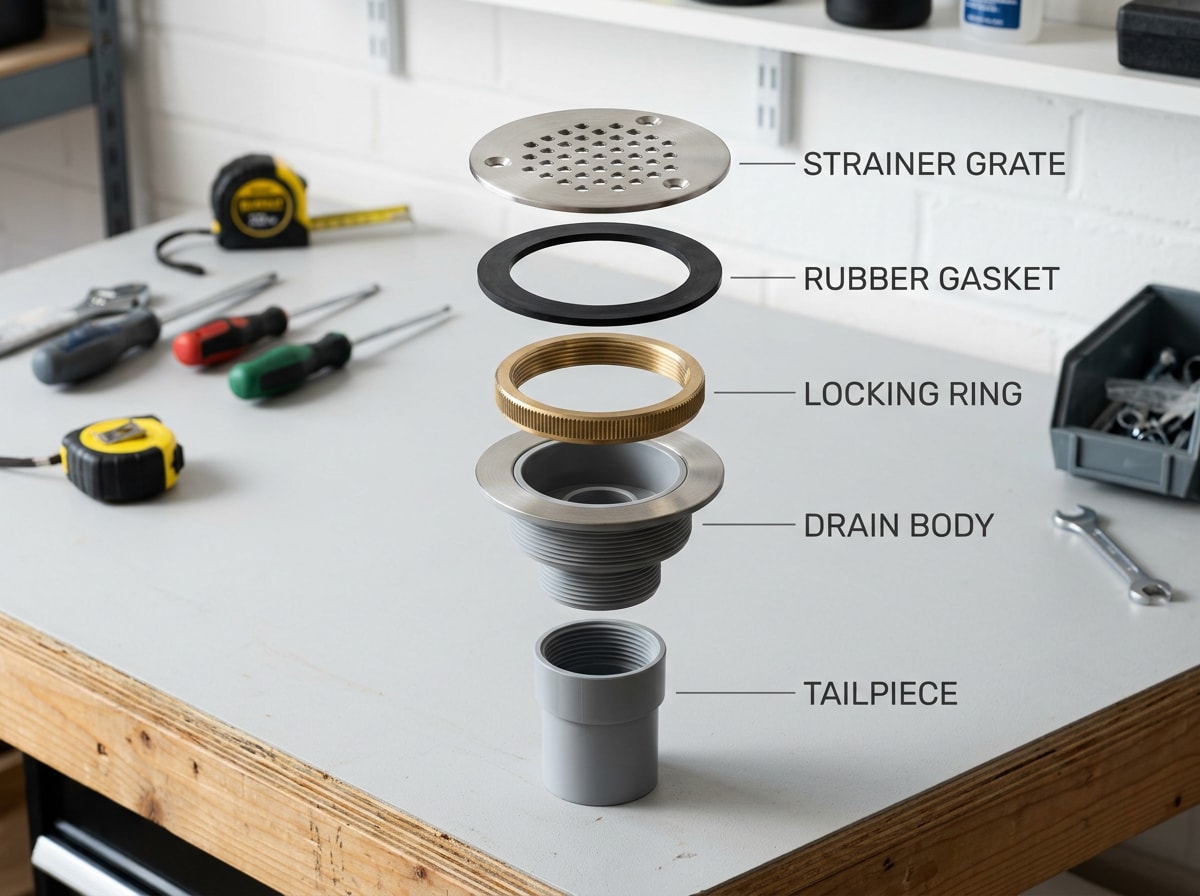
The gasket deserves the most attention of the bunch. This rubber ring creates a watertight seal between the drain body and the drainpipe. If it's dry-rotted or cracked, it will cause leaks, often ones that don't show up until months after the tile is finished.
On service calls across Los Gatos's older neighborhoods, cracked or shrunken gaskets on 1960s and 1970s compression drains are the single most common failure point we find, more than any pipe or venting issue.
Different Types of Shower Drains
Before buying parts or requesting quotes, it helps to know which drain style fits your bathroom. Most homes fall into one of three categories, and each one changes the installation approach significantly.
Compression Shower Drain
A compression shower drain is a mechanical fitting that attaches to the drainpipe using a compression nut and rubber gaskets you tighten from inside, with no soldering or solvent welding required. It's the go-to choice for replacing an existing drain when there's no access from below, common in older Los Gatos homes with finished ceilings underneath the bathroom.
Solvent-glued drains, by contrast, are bonded permanently with PVC cement and make sense for new construction or full remodels where the subfloor is open and accessible. Tile shower drains, sometimes called clamping drains, use a two-piece clamping ring system designed for mortar-bed tiled showers, which is typical in custom or higher-end bathroom builds.
If you're weighing a drain swap against a full shower rebuild, our Shower and Tub Installation team can walk the bathroom with you and tell you which drain type actually fits.
Installing a Compression Shower Drain (Step-by-Step)
A compression drain goes in by assembling the drain body, gasket, and friction ring, then tightening the assembly from below while the drain sits flush with the shower pan. As you turn the nut, it squashes the rubber gasket against the pipe and the drain body, creating the watertight seal. Don't overtighten; that can crack the gasket or distort the drain body instead of sealing it better.
Before gluing or caulking anything, check your drainpipe diameter. Showers typically use a 2-inch waste pipe, while tubs use a 1.5-inch pipe, so confirming pipe height and diameter upfront avoids a mismatched fitting later. Horizontal drain piping also has to meet minimum slope requirements under the plumbing code, and the International Plumbing Code requires 2½-inch and smaller drain pipe to run at a minimum of ¼ inch per foot of fall , which you can confirm against your layout in the IPC Chapter 7 drainage requirements.
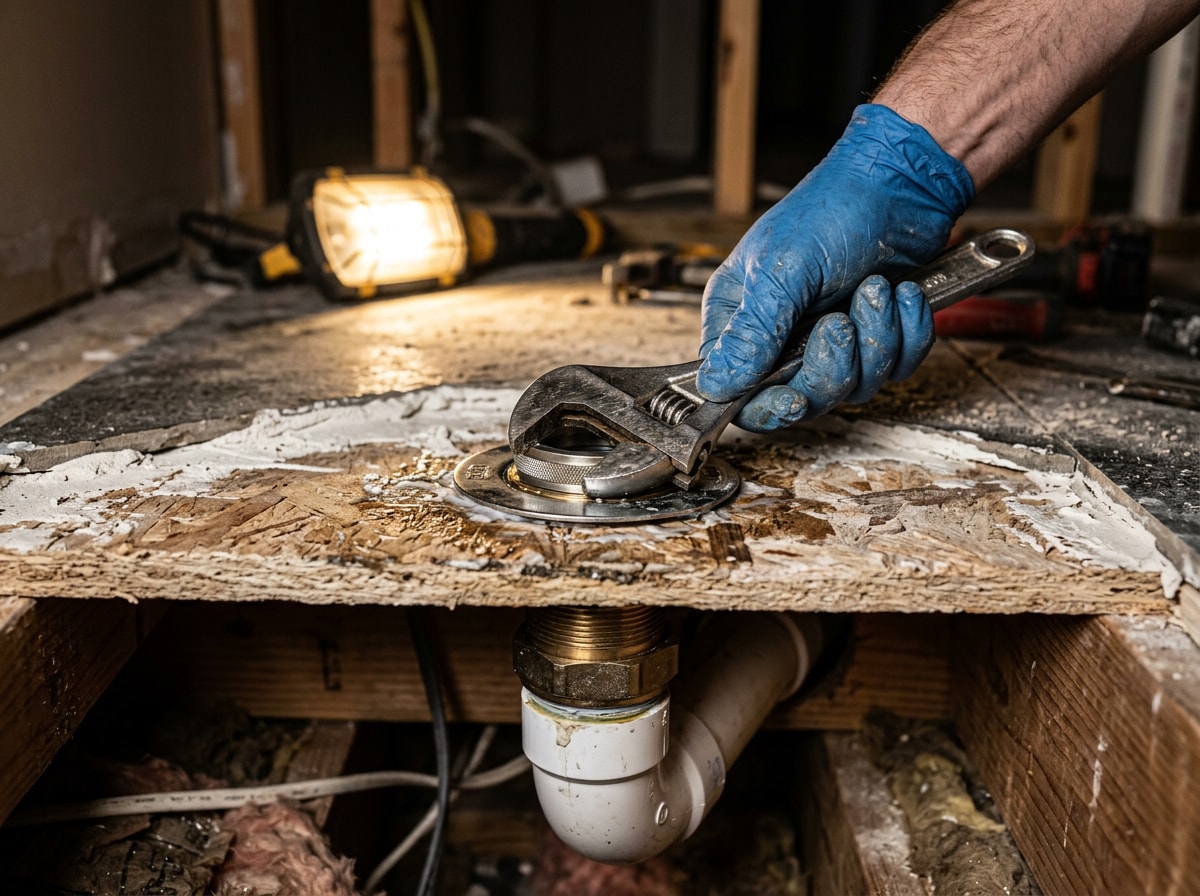
Once everything is tightened, run a flood test before any tile goes down: plug the drain, fill the pan to at least 2 inches, and leave it for 24 hours to catch a leak while it's still cheap to fix.
| Drain Type | Best For | Access Needed |
|---|---|---|
| Compression | Replacing an existing drain, remodels | None (install from above) |
| Solvent-glued | New construction, full subfloor access | Yes, from below |
| Tile/clamping | Custom mortar-bed tiled showers | Yes, during pan build |
For most Los Gatos remodels in older homes, compression drains are the practical choice simply because under-floor access is limited or nonexistent.
Shower Drain Installation Cost
Price on a shower drain job depends on the part itself, the labor involved, and whether permitting applies. Here's what typically drives the number up or down.
Types of Shower Drains and Their Installation Costs
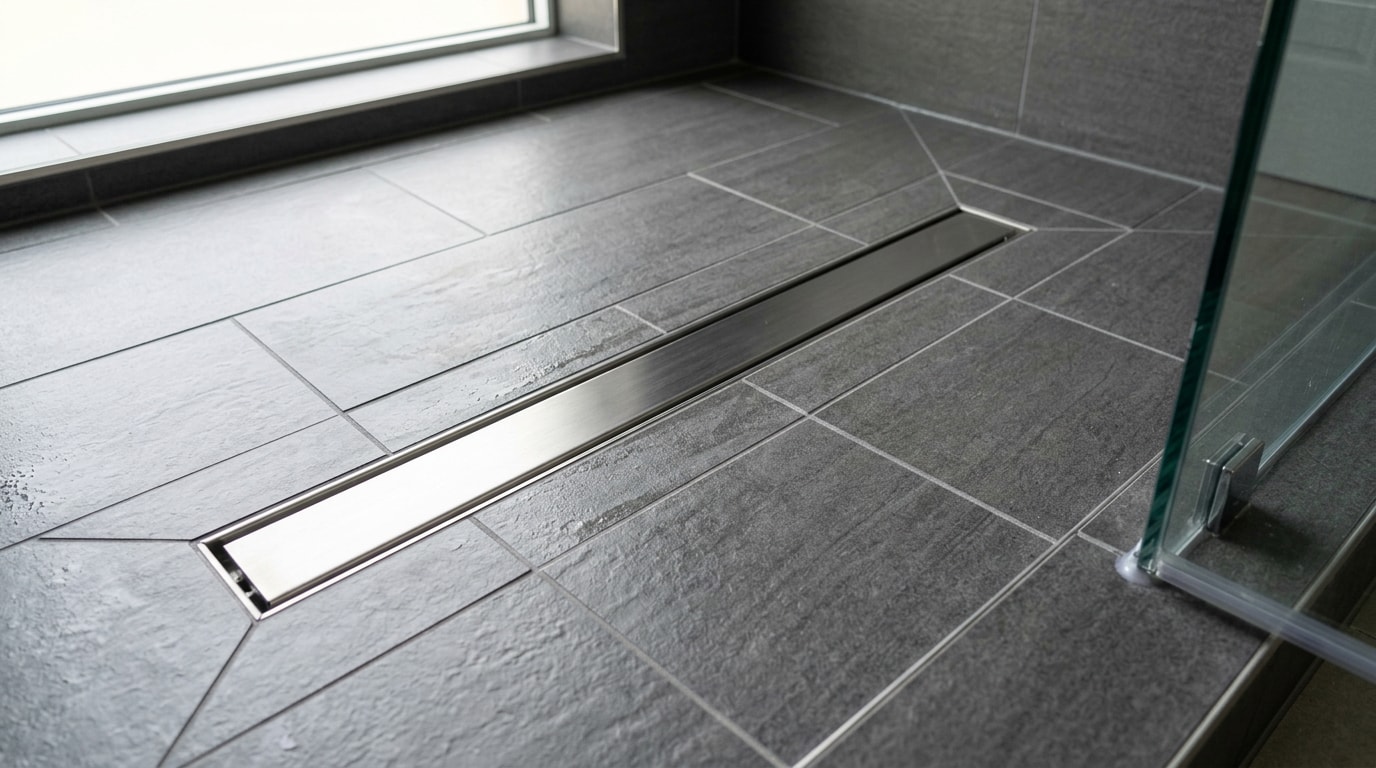
The type of shower drain significantly influences installation costs. Standard point drains run between $50 and $150 for the drain unit alone, while linear drains cost $150 to $400 or more depending on length and finish.
These figures cover the part only, not labor, so a linear drain in a custom shower can add up fast once installation and waterproofing are factored in. Homeowners comparing a simple point drain swap against a full linear drain remodel should budget accordingly before committing to either.
What Affects Shower Drain Installation Cost
Labor expenses usually form the largest portion of shower drain installation costs. Professional plumbers charge either hourly or flat rates, averaging $150 to $500 for a straightforward install, more if the job is complicated.
Beyond labor, several other factors shift the final price:
- Materials used (compression vs. linear vs. tile-set hardware)
- Size and scope of the job
- Installation complexity, including access and subfloor condition
- Permitting requirements
- Extras like waterproof membranes, slope adjustments, or decorative drain covers
A simple drain swap in an existing location costs far less than relocating a drain line or upgrading to a linear system. If the drain swap is part of a bigger fixture upgrade, our Bathroom Fixture Replacement page breaks down what's typically bundled into that scope.
DIY vs. Professional: What a Shower Drain Install Really Costs in Los Gatos and the Bay Area
DIY maintenance is cheap on paper. Hair removal plus a drain hook runs $0–$10, enzyme cleaner costs $10–$20 a month, a manual snake is a $25–$50 one-time buy, and renting a plumber's snake for stubborn clogs runs $30–$60 a day from a Bay Area hardware store.
A full drain install is a different calculation, though. South Bay labor rates in 2026 typically put a professional shower drain installation, including the drain body, gasket work, and flood testing, in the $300–$700 range for a standard replacement in a Los Gatos home, with linear drains or remodel work pushing higher.
Before hiring anyone locally, verify the license. In California, anyone performing plumbing work above a threshold value must hold a C-36 license issued by the Contractors State License Board . You can confirm any contractor's status directly on the CSLB Check a License lookup before paying a deposit. For licensed, local scheduling, see our Los Gatos, CA service area page.
Local Permit Rules: What Los Gatos Actually Requires
This is the part most generic guides skip, and it matters if you live in Los Gatos specifically. The Town's Building Permit is mandatory when any erection, installation, extension, repair, or material alteration of a building takes place , and plumbing work falls under that umbrella once it goes beyond a like-for-like swap.
The Town's own fee schedule bills each plumbing fixture or trap, or set of fixtures on one trap, at $14.00 , with drainage and sewer system work billed separately at $48.00 per system , on top of a base permit issuance fee. A same-location drain swap usually skips this entirely, but relocating a drain line or reworking the waste line typically triggers it.
There's a second wrinkle specific to older Los Gatos properties. New structures or alterations of plumbing fixtures require a backwater valve if the lowest finished floor elevation is less than one foot above the uphill manhole cover of the public sewer system , and existing homes in older parts of town may have been built before that requirement existed and may need backflow protection added . If your remodel touches the drain line, it's worth asking your plumber to check this at the same visit rather than as a separate trip. Start any permit question at the Town of Los Gatos Permit Applications page.
When to Call a Professional Plumber
A shower on an upper floor carries a real "danger zone." If a leak develops there, water can ruin the ceiling and framing below before anyone notices, so call a plumber immediately if the subfloor is rotted or needs structural repair. This isn't a DIY fix, and if it's an active leak soaking framing, it's closer to an emergency plumbing call than a weekend project.
Recurring problems are the other clear signal. Call a plumber when:
- A clogged shower drain returns within days of a thorough cleaning
- Multiple fixtures drain slowly at the same time
- You hear gurgling from the toilet when the shower runs
- Any backflow occurs
These point to a problem further down the line, not something a drain swap alone will solve. If you're not sure whether it's a drain-level issue or something further down the line, our guide on diagnosing common bathroom plumbing problems walks through how to tell the difference before you call anyone.
Installation Tips
A few habits prevent most comebacks on a shower drain job.
- Always inspect the gasket before installing. A dry, cracked, or warped gasket should be replaced even if it looks mostly fine.
- Confirm your drainpipe size (2-inch for showers, 1.5-inch for tubs) before you buy parts or start gluing anything.
- Never skip the 24-hour flood test before tile goes down. It's the cheapest insurance against a leak you'd otherwise find after the bathroom is finished.
- If the job touches the drain line itself rather than just the fixture, loop in a plumbing installation professional rather than guessing at slope and connections.
Bottom Line
Match the drain type to your project: compression for straightforward replacements, solvent-glued or tile/clamping for remodels with open subfloor access. Budget for both the part and the labor, confirm whether your specific job needs a Los Gatos permit, and bring in a licensed plumber whenever the job touches structure, recurring leaks, or anything below the surface you can't see.
Visit our homepage to see our full range of plumbing services, or schedule a free inspection to get a straight answer on your specific bathroom before you buy a single part.
About the Author
This guide was written by the licensed plumbing team at Gomez Sewer and Drain, a C-36 licensed plumbing contractor serving Los Gatos and the surrounding South Bay. Questions about your specific shower setup? Contact us directly.
Frequently Asked Questions
When should I stop DIYing and call a plumber for a shower drain fix?
Call a plumber once a cleared clog returns within days, multiple drains run slow at the same time, or you notice gurgling or backflow. Those signs usually mean the issue sits deeper in the line than a drain-level fix can reach.
How deep should a shower drain be?
The drain top should sit flush with, or very slightly below, the finished shower floor so water flows toward it instead of pooling. The P-trap beneath it sits several inches lower, and the pipe feeding it has to meet minimum slope rules under the plumbing code's drainage requirements.
Do I need a permit to install a shower drain in California?
Replacing a drain in the same location typically doesn't require a permit, but relocating a drain line or altering the plumbing routing usually does. Requirements vary by city, so check with the Town of Los Gatos building department before starting work that changes your existing plumbing layout.
Can I install a shower drain myself?
Compression drains are reasonably DIY-friendly for simple, same-location replacements. Solvent-glued and tile/clamping drains in full remodels carry more risk without plumbing experience, see the step-by-step section above before attempting either.