Most bathroom plumbing repair jobs start as something small and ignorable: a drip, a drain that empties slower than it did last month, a toilet that hisses at 2 a.m. Left alone, those symptoms turn into rotted subfloor and four-figure invoices. This guide follows the same path a technician does, symptom first, so you know what you are dealing with before you pick up a tool.
Signs Your Bathroom Plumbing Needs Repair
Weak pressure, slow drains, musty smells, and a water bill that jumped without explanation are the four clearest warning signs. Add staining on walls or ceilings, corroded hardware, and gurgling after a flush, and you have a five-minute triage checklist.
Run through it fixture by fixture:
- Pressure: does one faucet trickle, or all of them?
- Drainage: does the sink or shower hold water after use?
- Sound: hissing, running water, or gurgling when nothing is on?
- Smell: a sour or sewage odor near a drain?
- Sight: peeling wallpaper, bubbling paint, spongy flooring near the tub or toilet?
- Bills: an unexplained increase usually means a hidden leak.
Any single yes points to one of the sections below.
Two or more in the same room usually means the problem is in the pipe, not the fixture. That is when professional plumbing repair is worth a call before water damage spreads.
Clogged or Overflowing Toilet
A blockage forms in the drainpipe, flow backs up, and the bowl fills instead of emptying. Hair, so-called flushable wipes, and too much toilet paper cause most of it.
Work in this order:
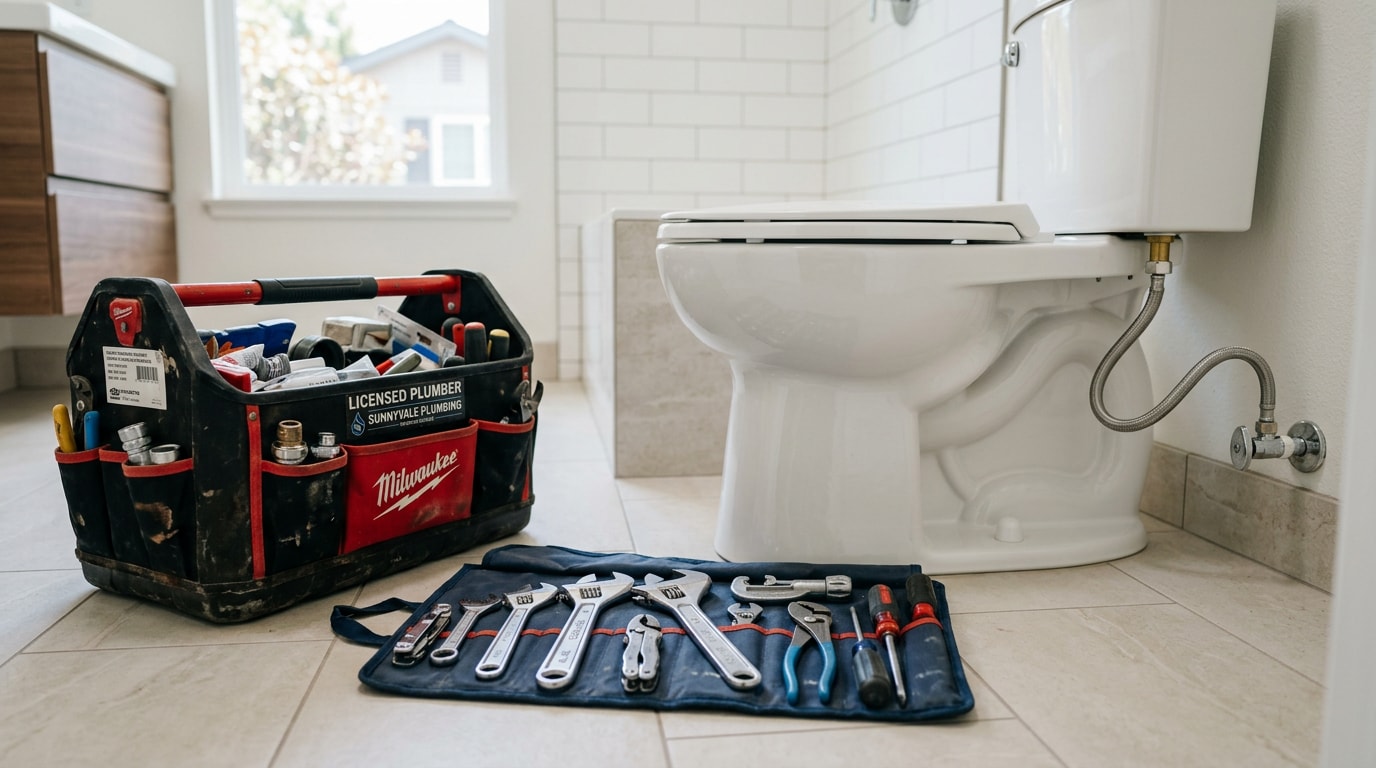
- Turn the shut-off valve behind the toilet clockwise to stop the refill. Do this first, before the bowl reaches the rim.
- Use a flange plunger, the one with the extended rubber sleeve, not a flat sink plunger. Ten firm strokes, seal maintained.
- If that fails, run a toilet auger down the trapway. Crank gently, because forcing it scratches the porcelain.
One stubborn toilet is a fixture problem.
But if the tub gurgles when you flush, or a second fixture backs up at the same time, the blockage sits further downstream. Skip to the sewer backup section below. A toilet that clogs weekly is often a worn or undersized fixture, which is a case for bathroom fixture replacement rather than another auger.
Running Toilet
A worn flapper stops sealing against the flush valve, so tank water leaks continuously into the bowl. Replacing the flapper is a $10 part and a five-minute job, and it is the most common fix by a wide margin.
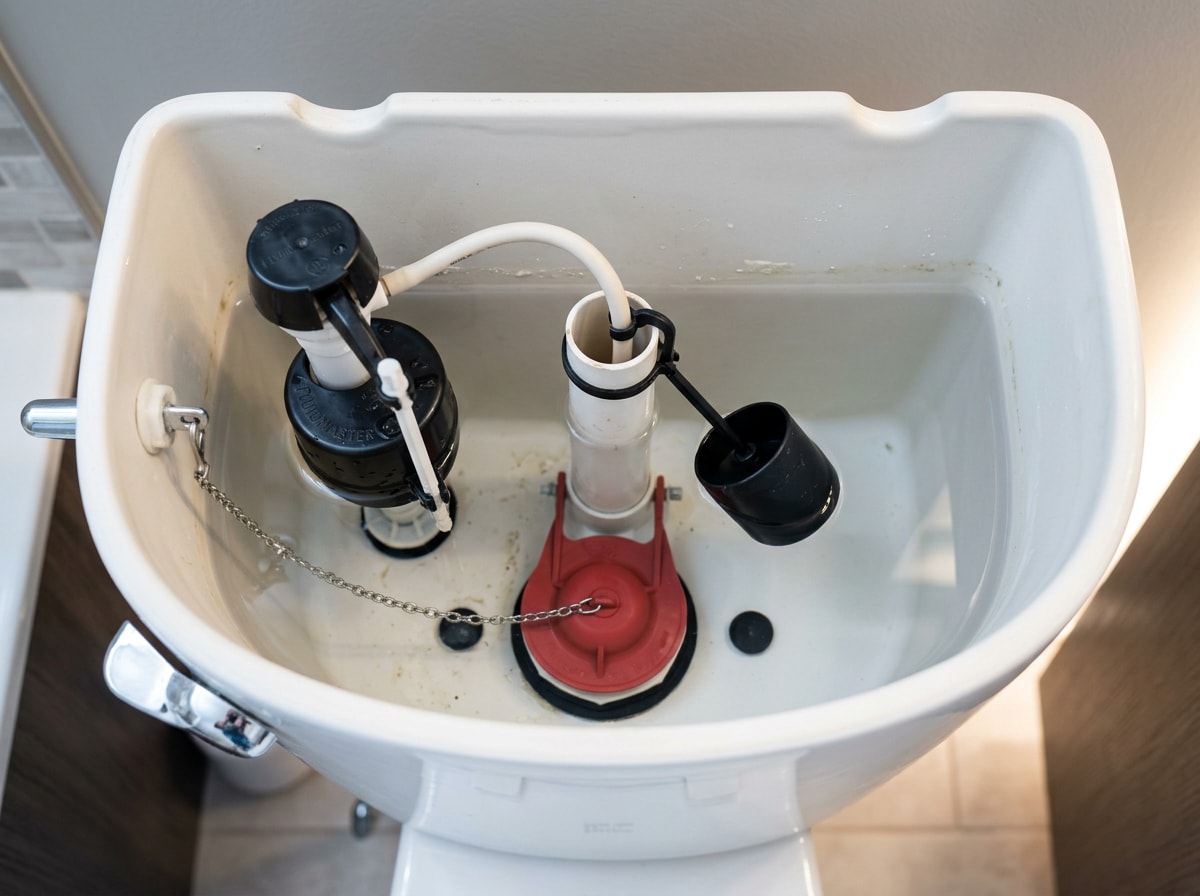
Two other culprits:
- A float set too high, which pushes water down the overflow tube.
- A failing fill valve that never shuts off.
Most fill valves have an adjustment screw or clip. Lower the float until the water line sits about an inch below the top of the overflow tube.
Do not wait on this one. According to the EPA's WaterSense Fix a Leak Week guidance, household leaks average more than 9,300 gallons a year, and about nine percent of homes leak 50 gallons or more per day. EPA also recommends replacing a flapper at least every five years.
Leaky or Dripping Faucet
Washers, O-rings, and cartridges are rubber or plastic parts under constant compression. They harden, lose elasticity, and stop sealing. That is your drip.
Shut off the supply stops under the sink, plug the drain so screws do not vanish, then disassemble the handle and inspect the internals. Replacing one small part usually solves the drip completely.
Two practical notes:
- Cartridge designs vary by brand and even by model year, so photograph the old part from two angles before you shop.
- If the leak continues with fresh parts installed, corrosion has likely pitted the valve seat. That is a professional repair or a faucet replacement, not another hardware store trip.
Slow or Clogged Sink, Shower, and Tub Drains
Hair, soap scum, toothpaste, and makeup bind into a mass that lodges in the drain opening, the stopper mechanism, or the P-trap below. A slow drain is that mass narrowing the pipe. A full stop means it has closed it off.
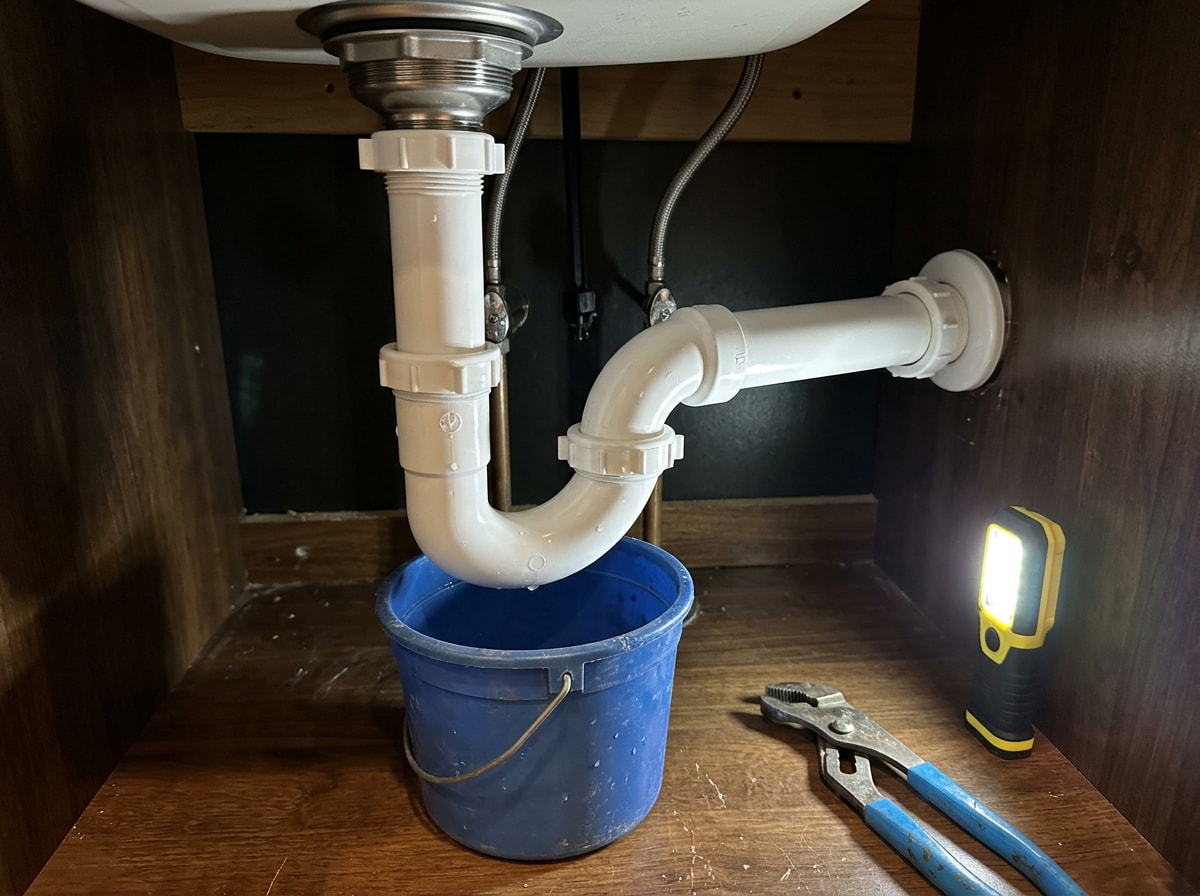
Climb the ladder in order:
- Pull the pop-up stopper and clean it. On our service calls, this alone resolves a large share of single-fixture bathroom sink complaints, because the hair collects on the stopper rod, not deep in the line.
- Feed a plastic hair snake down the opening and pull debris out rather than pushing it deeper.
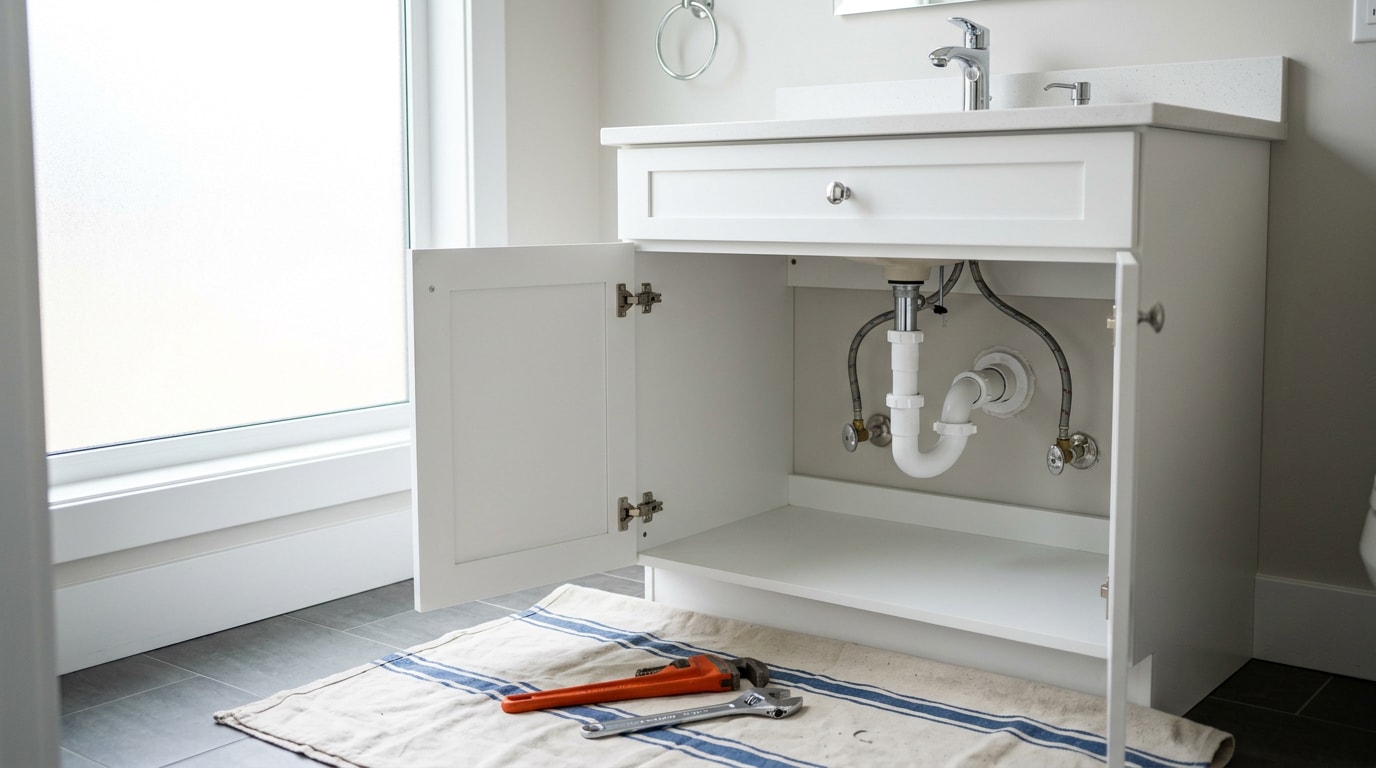
- Put a bucket under the trap, loosen both slip nuts, and clean the P-trap directly.
One caution worth taking seriously: habitual chemical drain cleaner use can corrode older metal pipes, and leftover caustic liquid sitting in a trap is a burn hazard for whoever opens it next.
Repeat clogs in the same fixture usually mean buildup further down the branch line, which is a job for professional drain cleaning.
Low Water Pressure in the Bathroom
Before you touch anything, answer one question: how much of the house is affected? That split drives the entire diagnosis.
- One fixture: sediment in the aerator or showerhead. Unscrew it, soak it in white vinegar overnight, scrub the screen, reinstall. If only hot or only cold is weak, suspect the supply stop or the shower valve cartridge.
- One room: mineral scale or partial corrosion in the branch line feeding that bathroom.
- Whole house: a failing pressure-reducing valve, a municipal supply issue, or a hidden leak.
Now the direction most guides skip: pressure that is too high.
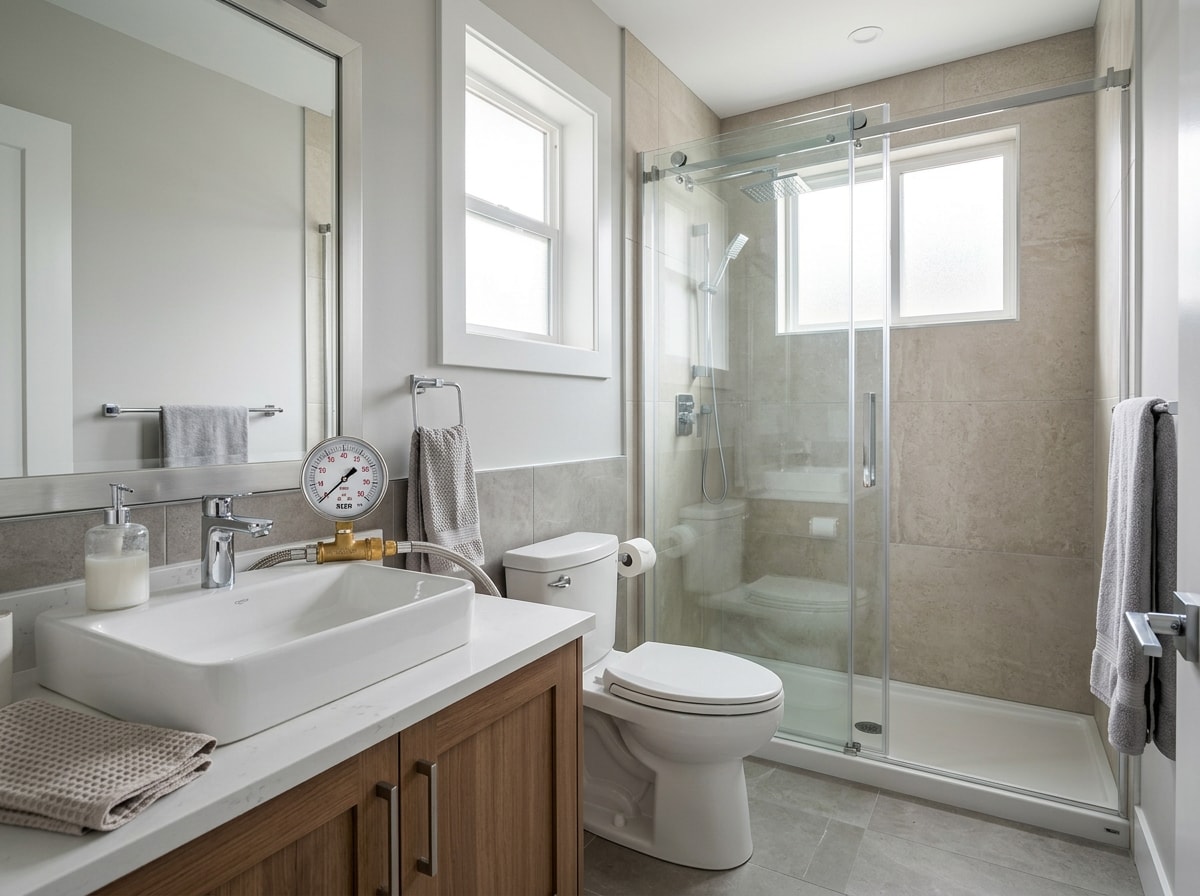
A failed pressure-reducing valve pushes household PSI past what fixtures are built for, which chews through toilet fill valves, faucet cartridges, and washer hoses. The residential code ceiling is clear. The International Residential Code water supply chapter sets static water pressure at not greater than 80 psi and requires an approved pressure-reducing valve where main pressure exceeds it.
Buy a $12 gauge, thread it onto a hose bibb or laundry tap, and read it with no water running.
| Static reading | What it means | Action |
|---|---|---|
| Under 40 psi | Low supply, scale, or a partly closed valve | Check main shutoff, then test at the meter |
| 45 to 60 psi | Normal comfort range | No action |
| 60 to 80 psi | Legal but firm | Monitor, especially on old supply hoses |
| Over 80 psi | Above code ceiling | PRV install or replacement |
Homes on hills and at the low end of a pressure zone are the usual offenders. If your gauge reads over 80, replacing the PRV at the main is typically a one-visit job, though access behind finished walls can complicate it.
Leaking Pipes and Hidden Leaks
Pipe tape or a repair clamp may stop a drip for a few days. A permanent fix means cutting out and replacing the affected section. Treat the temporary patch as a bridge, never a solution.
Here is the self-check for a leak you cannot see:
- Shut off every fixture in the house.
- Note the reading on your water meter.
- Wait two hours with zero water use.
- Read it again. If the numbers moved, water is going somewhere it should not.
Then inspect what you can reach: the shut-offs under each sink, the base of the toilet, and the cabinet floor beneath the vanity. Feel for dampness rather than just looking.
A leak with saturated drywall, a stained ceiling below, or a soft subfloor is a same-day call to emergency plumbing service, not a weekend project. Mold growth starts fast once materials stay wet.
Not sure whether what you found is urgent? Schedule a free inspection and get a written answer before you open a wall.
Sewer Smells and Sewer Backups
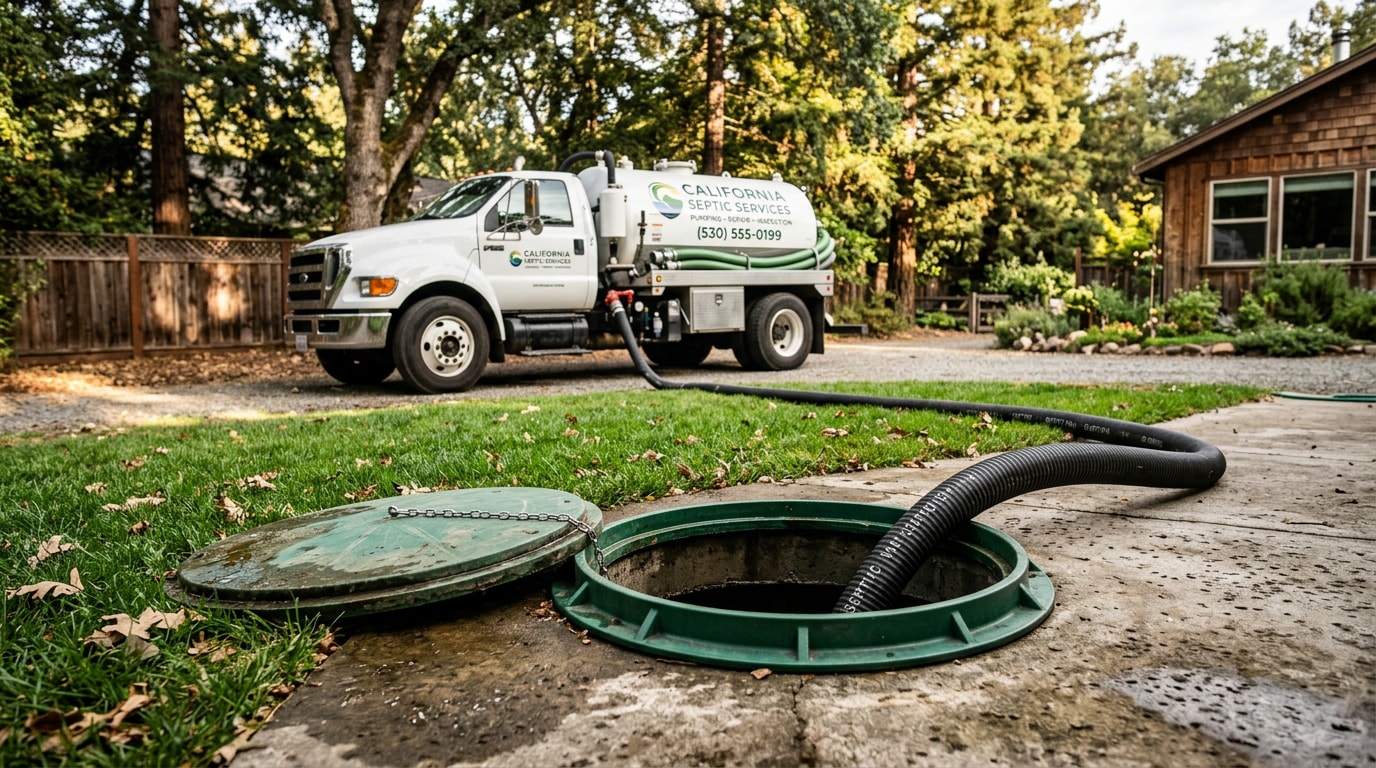
A sewer smell at a drain usually means one of three things: debris coating the pipe walls, a dry P-trap, or a cracked vent pipe.
The trap holds a plug of water that blocks gases from entering the room. In a guest bath nobody uses, that water evaporates. Pour a quart down each drain and the smell often disappears within the hour.
A sewer backup is a different animal.
Wastewater reversing into tubs and toilets points to a blockage, tree roots, or a broken main line. The warning signs come first: gurgling drains, multiple fixtures clogging at once, water rising in the tub when the toilet flushes.
Stop using water immediately and call a plumber for main line drain cleaning. Sewage carries real health risks, so review the CDC's cleanup safety guidelines, which call for goggles, an N-95 respirator, and protective gloves, plus discarding drywall and insulation contaminated by sewage.
How Much Bathroom Plumbing Repair Costs in 2026
National ranges for orientation, before local adjustment:
| Repair | Typical range | Notes |
|---|---|---|
| Simple drain clog clearing | $125 to $275 | Single fixture, accessible trap |
| Running toilet (flapper or fill valve) | $85 to $200 | Parts are cheap, labor dominates |
| Faucet cartridge replacement | $125 to $300 | Brand-specific parts add cost |
| Toilet supply line or shut-off valve | $100 to $250 | Higher if the valve is seized |
| Diagnostic plumbing inspection | $100 to $500 | Camera work sits at the top end |
| Sewer or main line clearing | $200 to $600 | Root intrusion can exceed this |
| Hidden leak repair behind a wall | $400 to $1,500+ | Includes access and patching |
Four variables move those numbers:
- Access: exposed pipe versus behind tile or under slab.
- Parts quality: builder-grade versus serviceable brands.
- Local labor rates: Bay Area rates run above national averages.
- Timing: after-hours work carries a premium at most shops.
The only accurate number is a written quote from a licensed plumber who has seen the fixture. Fixing small issues early is consistently cheaper than repairing the water damage they cause later.
How to Prevent Bathroom Plumbing Problems
Nearly every problem above starts small and escalates quietly. Four habits stop most of them:
- Put a strainer in every sink, tub, and shower drain, and clear it weekly.
- Flush toilet paper and nothing else. Wipes, floss, and cotton swabs cause most avoidable clogs.
- Lift the tank lid twice a year and check the flapper for stiffness or mineral crust.
- Descale aerators and showerheads annually, sooner on hard water.
Build those into a routine with our 20-minute monthly home plumbing check, and book a plumbing inspection every couple of years to catch corrosion and slow leaks while they are still cheap.
FAQ
What are the most common bathroom plumbing problems?
Leaky faucets, running toilets, clogged shower or sink drains, and low water pressure account for most calls. Toilet clogs and hidden pipe leaks follow close behind.
How much does it cost to fix plumbing in a bathroom?
Routine repairs generally run $85 to $300. Work inside a wall or a main line clearing typically lands between $400 and $1,500. Access is the biggest variable.
Can I fix bathroom plumbing myself, or should I call a plumber?
Flappers, aerators, pop-up stoppers, P-traps, and simple clogs are reasonable DIY jobs. Call a licensed plumber for three things without exception: a sewer backup, water inside a wall or ceiling, and any work needing a permit or touching a gas line.
How long does a bathroom plumbing repair take?
Most common repairs finish in one visit, usually 30 to 90 minutes. Work that opens walls or floors, or replaces pipe, often runs one to three days including drying and patching.
Why do my bathroom drains gurgle?
Gurgling means air is being pulled through the trap, usually from a partial blockage downstream or a blocked vent. If more than one fixture gurgles, treat it as a drain line issue, not a fixture issue.
How do I know if a leak is behind the wall?
Look for warm or damp spots, bubbling paint, a musty smell, and a meter that moves during a two-hour no-use test. Any of those with soft drywall means open it up and repair, not wait.
Does homeowners insurance cover bathroom plumbing repair?
Policies commonly cover sudden accidental damage, such as a burst supply line, but not the failed part itself and not damage from long-term seepage or neglect. Check your policy language and document the damage with photos before cleanup.
Who do I call for bathroom plumbing repair?
A licensed plumbing contractor, not a handyman, for anything involving drain lines, pressure, or permits. Gomez Sewer and Drain handles repairs across San Jose and surrounding areas, and you can schedule a free inspection to get a written diagnosis first.