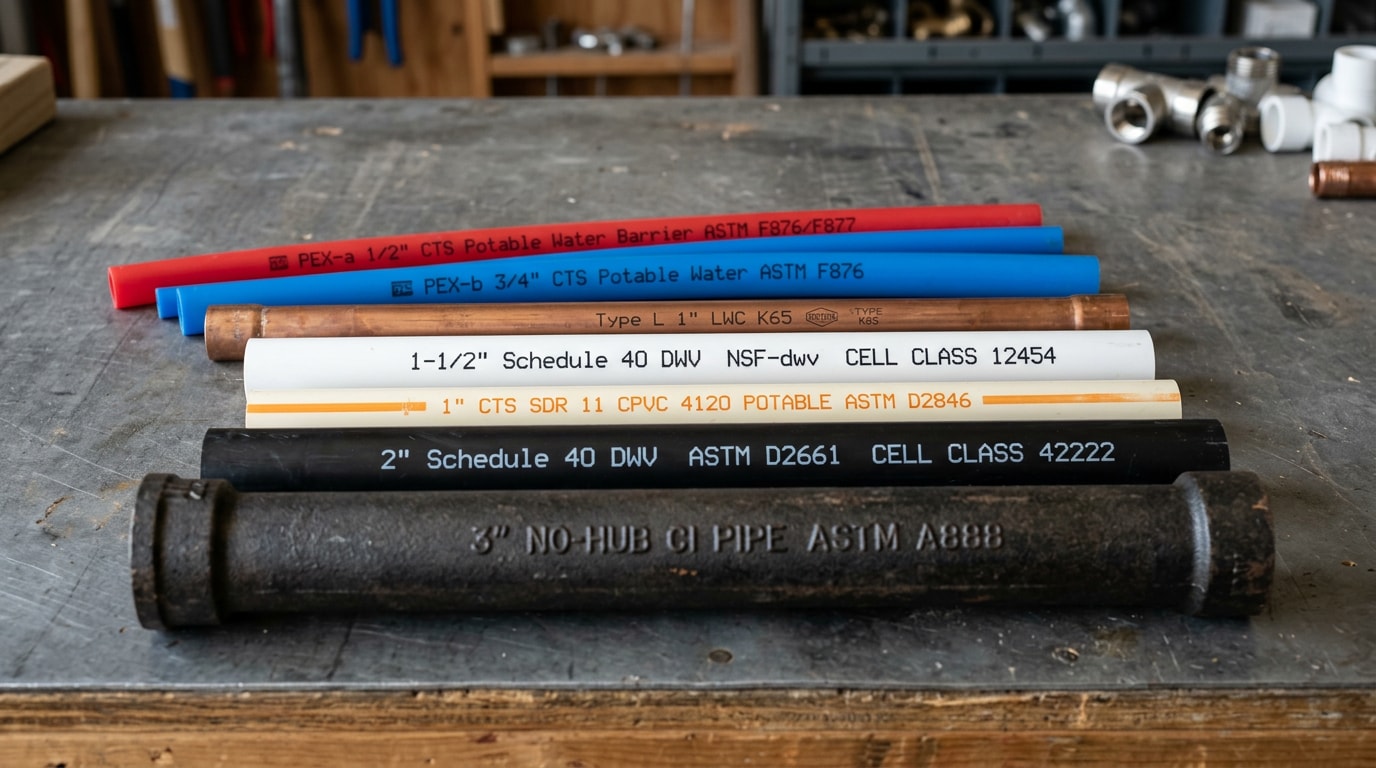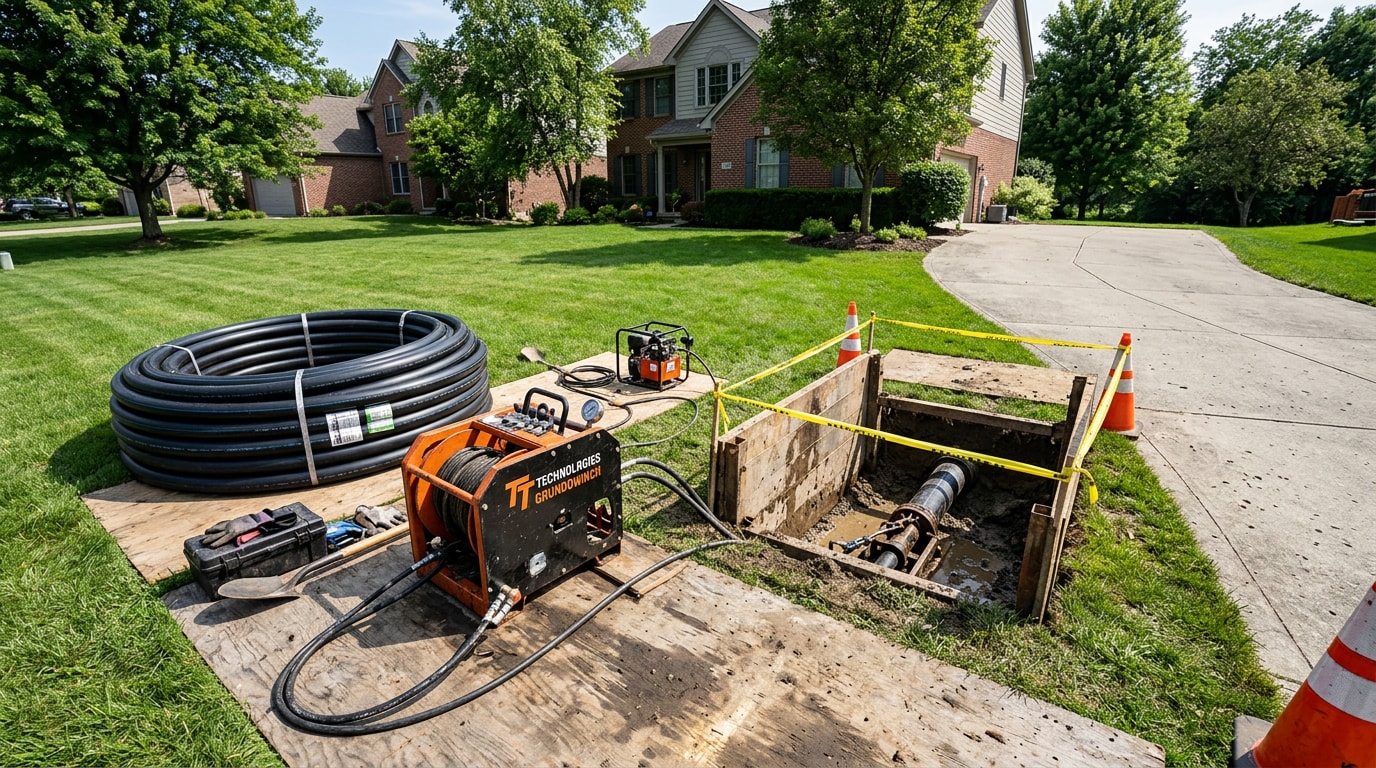
Rooter plumbing services use a motorized cable machine to cut and pull blockages out of drain and sewer lines, usually tree roots, grease, or compacted debris. Most homeowners first hear the word while standing in a backed-up bathroom at 9 p.m., trying to decide what to approve over the phone. Here is what the work actually covers, what it should cost in 2026, and the one question that decides whether cabling fixes your problem or just rents you another three months.
What Rooter Plumbing Services Cover
Rooter service is powered drain and sewer clearing, plus the diagnosis that goes with it.
The name comes from the original job: cutting tree roots out of sewer pipes. Today it covers most motorized clearing of main lines and stubborn branch lines.
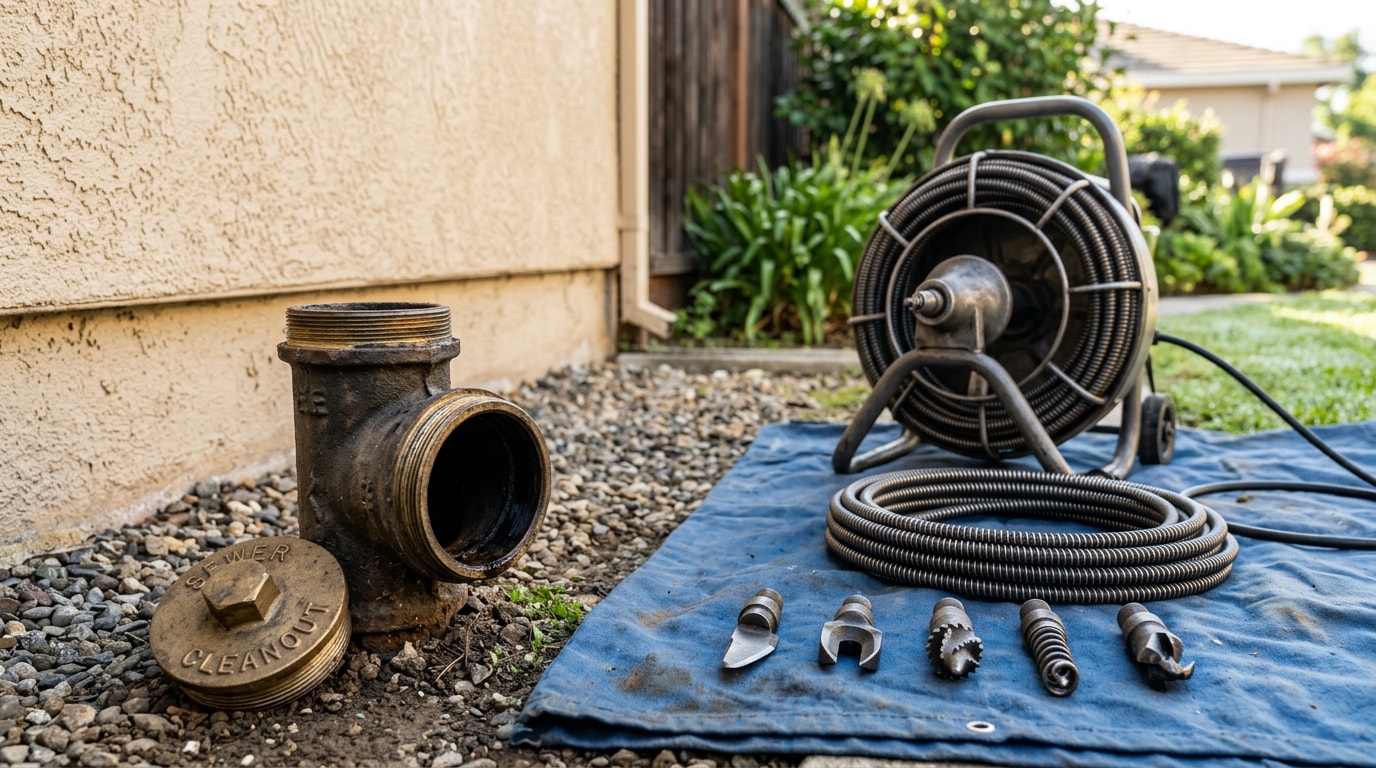
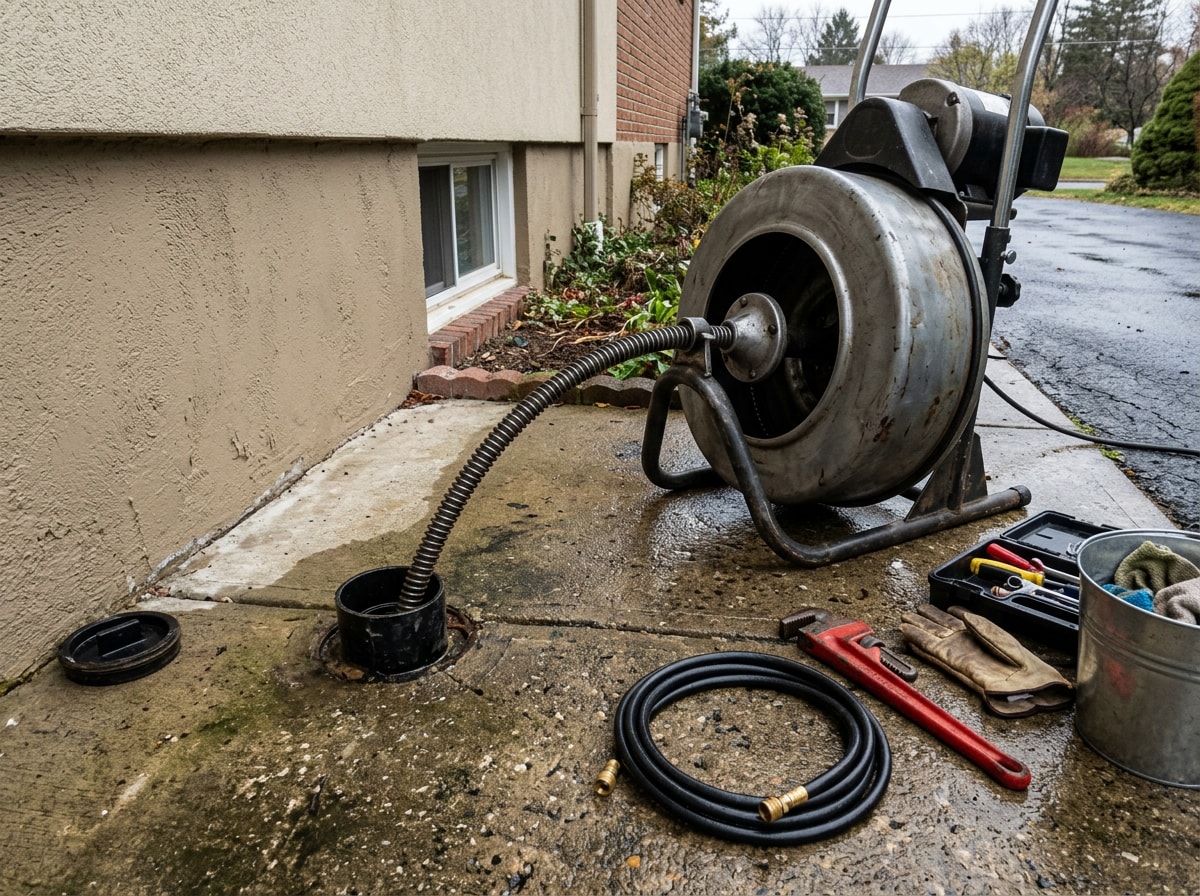
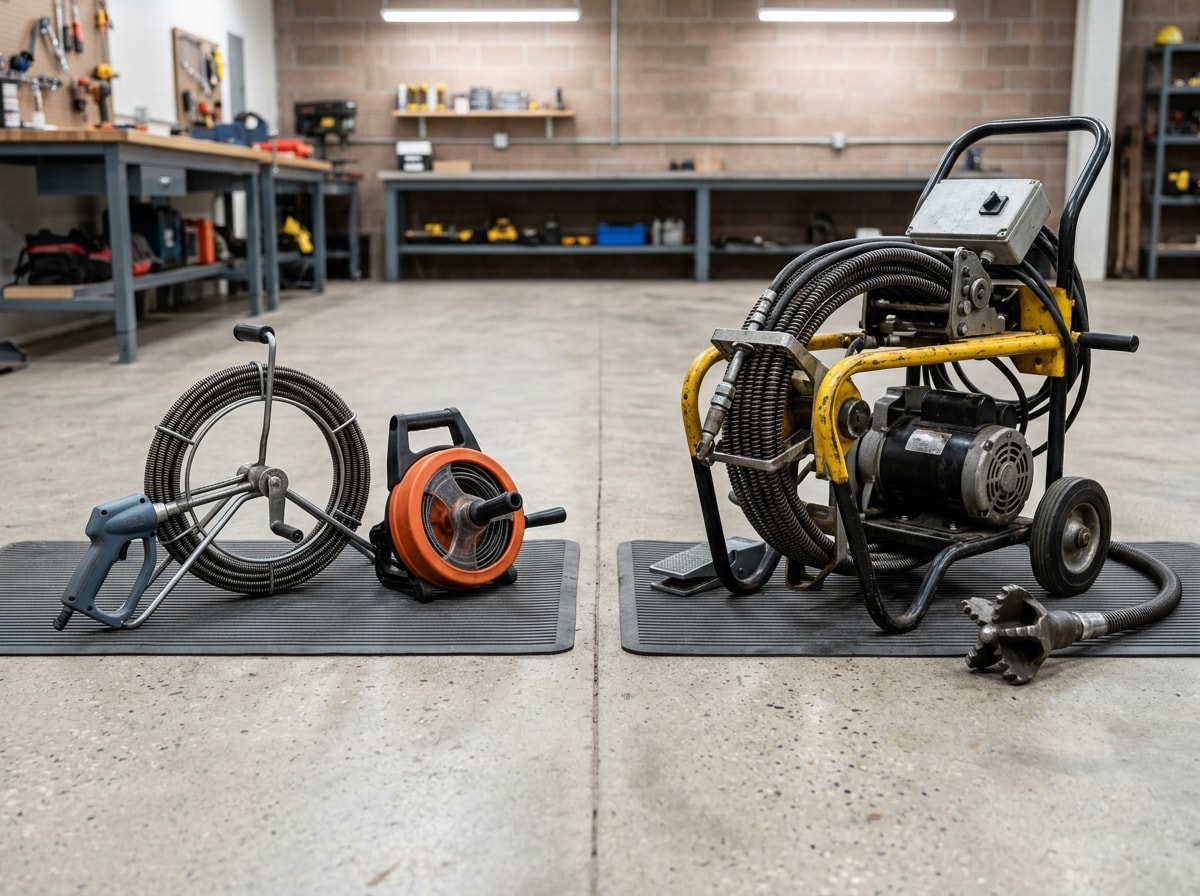
A rooter machine drives a flexible steel cable down the pipe while a motor spins it. At the tip sits an interchangeable cutting head sized to the pipe: a small retrieving tip for a kitchen branch, a wide root blade for a 4 inch lateral.
One honest caveat that national service pages rarely put in writing: cabling reopens the pipe, it does not repair the crack or offset joint the roots came through. Regrowth is expected until the defect is fixed.
That is why a camera check matters more than the clearing itself. The EPA lists tree roots entering through defects or openings in a sewer line, along with grease and wipes, among the causes of blockages behind sanitary sewer overflows , which is the same failure path that ends in a backup inside your house.
Signs You Need Rooter Service, Not a Plunger
Watch for patterns, not one bad morning:
- Slow drains in several fixtures at once, not just one sink
- Cross-fixture symptoms, like the shower rising when you flush the toilet
- Gurgling after a nearby fixture drains, which means air is trapped behind a partial blockage
- Sewer odor indoors or near the yard cleanout
- Repeat clogs in the same line within weeks of the last clearing
- Wet or unusually green patches in the lawn above the sewer lateral
The single-fixture test does most of the diagnostic work for you. One slow sink is almost always a branch line issue. Two or more fixtures acting up together points at the main line, and that is the real trigger for rooter work.
If sewage is already coming up through a floor drain or tub, that is not a scheduling conversation. Call for emergency plumbing service and stop running water in the house.
2026 Cost Ranges for Rooter Plumbing Services
| Service | Typical 2026 range | What it includes | What moves the price |
|---|---|---|---|
| Branch line rooter clearing | $150 to $350 | Cabling one fixture line | Access, clog depth |
| Main line rooter service | $350 to $900 | Main line clearing through a cleanout | Root severity, cleanout access |
| Hydro jetting | $450 to $1,200 | High pressure scouring of pipe walls | Line length, grease load |
| Sewer camera inspection | $150 to $500 | Recorded line scan | Often credited with service |
| After hours call out | Add $150 to $400 | Same work, premium timing | Night, weekend, holiday |
Treat these as broad national ranges. Labor rates swing them hard by region, so confirm pricing for your service area before you budget.
Two of the biggest cost drivers are things you can determine yourself in five minutes:
- Main line or branch line. Run the single-fixture test above.
- Cleanout access. Walk the perimeter near the foundation and look for a capped pipe at grade. No cleanout means roof vent entry or pulling a toilet, which adds time and money. Our guide to finding your plumbing cleanout shows what to look for.
Then ask two questions on the phone: is the quote flat rate or hourly, and what does the guarantee cover? A 30 day warranty and a 12 month warranty often sit at the same price point, and they are not the same product.
What Happens During a Rooter Appointment
A competent visit follows a predictable order:
- Diagnosis. The tech runs and tests fixtures to confirm branch versus main.
- Locating the cleanout. Usually outside near the foundation, sometimes in a basement or garage.
- Camera inspection. Used when the location or cause of the blockage is unknown.
- Cabling. Feeding the machine in with the correct cutting head for that pipe diameter.
- Flush and verify. Running water long enough to confirm full flow, not a pinhole opening.
- Post clear camera check and a written recommendation.
Ask for three things before the truck leaves: the camera findings, the identified cause, and a plain statement of whether this was a clog or a pipe defect. That distinction decides what you spend next.
Rooter Service vs Drain Cleaning
The two differ in equipment, reach, and the severity of blockage they are built for. Picking wrong is the most common reason homeowners either overpay for a simple clog or pay twice when a light cleaning fails inside a month.
| Drain cleaning | Rooter service | |
|---|---|---|
| Equipment | Hand snake, jetter, enzyme products | Motorized cable machine |
| Reach | A few feet into a branch line | Full main line to the city connection |
| Typical clog | Hair, soap, grease | Roots, compacted debris, collapsed flow |
| When it fails | Blockage sits past the trap | The pipe itself is damaged |
The rule: isolated single-fixture clog, book standard drain cleaning. Recurring or multi-fixture blockage, book main line drain cleaning. Heavy grease in a long run usually belongs to hydro jetting instead of a cable.
Skip the caustic chemical opener either way. Sodium hydroxide, the active ingredient in many drain products, is very corrosive and can cause severe burns with deep ulcerations on skin contact , and a bottle that fails leaves that liquid sitting against one spot of old pipe.
The Cleanout Rule Most Homeowners Learn Too Late
Here is the local detail that changes the math on a repeat root problem, and one no national rooter brand page will tell you.
In San José, the property owner is responsible for maintaining the entire sewer lateral, but the City will maintain the lower portion from an approved property line wye cleanout to the main as a courtesy, if that approved cleanout is installed . That wye cleanout is a four inch minimum diameter pipe connecting the lateral to a surface access point, and it should sit within five feet of the sidewalk.
Translation: installing an approved cleanout can move the most expensive stretch of pipe, the part under the sidewalk and street, off your invoice permanently. Rules vary by city, so confirm with your own sewer division before you dig.
One job from our crews makes the point. A customer had a main line cleared three times in eight months by different companies before anyone ran a camera. The scan showed a cracked clay lateral pulling roots through a single joint. The cabling was working fine. It was simply the wrong long-term fix, and three clearings cost more than the camera that found the answer.
When the camera finds a defect, the options are sewer line repair at the bad section, trenchless sewer repair to reline the pipe without trenching the yard, or full replacement. A sewer line inspection is what tells you which one you actually need.
Not sure which bucket you are in? Request a free estimate and we will scope the line before quoting repair work.
Frequently Asked Questions
What is a plumbing rooter service?
It is the use of a motorized cutting machine to clear deep blockages from drain and sewer lines, including tree roots, hardened grease, and compacted debris. It reaches farther than hand snaking and is aimed at main line blockages rather than minor fixture clogs.
Is rooter service better than drain cleaning?
Only for the right problem. Rooter service wins on deep, recurring, or root-related main line clogs. For one slow sink or tub, standard drain cleaning is faster and cheaper.
How much does rooter service cost?
Expect roughly $150 to $350 for a branch line and $350 to $900 for a main line in 2026, with after hours work adding $150 to $400. Poor cleanout access and heavy root intrusion push you toward the top of the range.
Is a rooter the same as a plumber?
Not necessarily. A drain specialist clears lines; a licensed plumber handles the whole system, including supply piping, fixtures, and sewer repair. If the diagnosis turns out to be a pipe defect, a drain-only outfit may not be licensed to fix it, so verify the license number before booking.
How long does a rooter visit take?
Most main line clearings run one to three hours including diagnosis and a camera check. Jobs with no accessible cleanout take longer because the tech has to enter through a roof vent or pull a toilet.
Can rooter cabling damage my pipes?
A correctly sized cutting head run by a trained operator will not harm sound pipe. Risk rises in brittle clay, corroded cast iron, or lines with existing cracks, which is another argument for a camera pass first.
How often do tree roots come back after clearing?
In a cracked or offset line, commonly within six to twenty four months depending on species and season. Annual drain camera inspection is the budget option; repairing the defect is the permanent one.
Should I rent a rooter machine myself?
For a short branch line, a rental can work. For a main line, a powered drum machine can whip, bind, or punch through compromised pipe, and you still have no camera to tell you what caused the blockage.
Getting the Right Service Booked
Rooter plumbing services solve a specific problem well: deep blockages that a snake cannot reach. They are not a substitute for fixing a broken pipe, and any company that clears your line twice without recommending a camera is selling you the same hour over and over.
See how the full range of drain cleaning and plumbing work fits together, browse recent projects, or start at our home page to find your city. When you are ready, request a free estimate and get the diagnosis in writing.
Written and reviewed by the licensed field team at Gomez Sewer and Drain, who run cable machines, jetters, and sewer cameras in Santa Clara and San Mateo County homes every week. Questions about your own line? Reach us through the contact page.