A plumbing cleanout is the capped pipe that gives a plumber direct access to your main sewer line, and most homeowners have never gone looking for theirs until a drain backs up. Find it before you need it and a backup is a service call. Miss it and the same backup turns into pulled toilets, extra labor hours, and sometimes a shovel.
What Is a Plumbing Cleanout?
A plumbing cleanout, also called a sewer cleanout or drain cleanout, is a capped access fitting installed on your sewer lateral, the pipe that carries waste from your house to the city main or septic tank.
It does two jobs:
- It is where the cable machine or jetter enters the line to break up a clog.
- It is the entry point for a camera, so a plumber can see the pipe's condition without digging up the yard.
Cleanouts are not an optional upgrade. Model plumbing code sets specific rules for where they go, how far apart they sit, and how much clearance they need, including a required cleanout at the junction of the building drain and the building sewer. You can read the requirements in Section 708 of the International Plumbing Code. California works from the Uniform Plumbing Code instead, so local rules differ in the details.
Without a cleanout, a drain cleaning visit has to reach the pipe through a toilet, tub, or sink. Pulling a toilet takes time, and that time lands on your invoice.
What Does a Drain Cleanout Look Like?
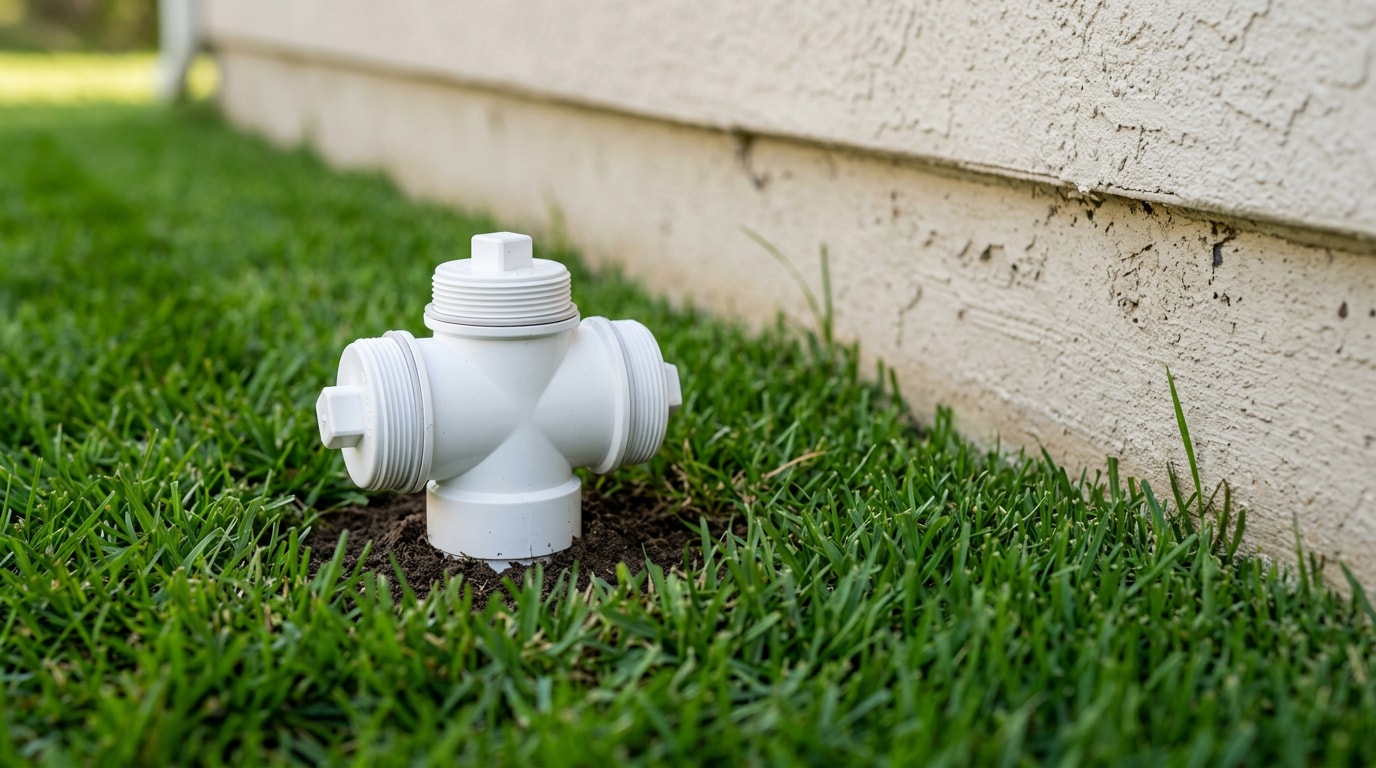
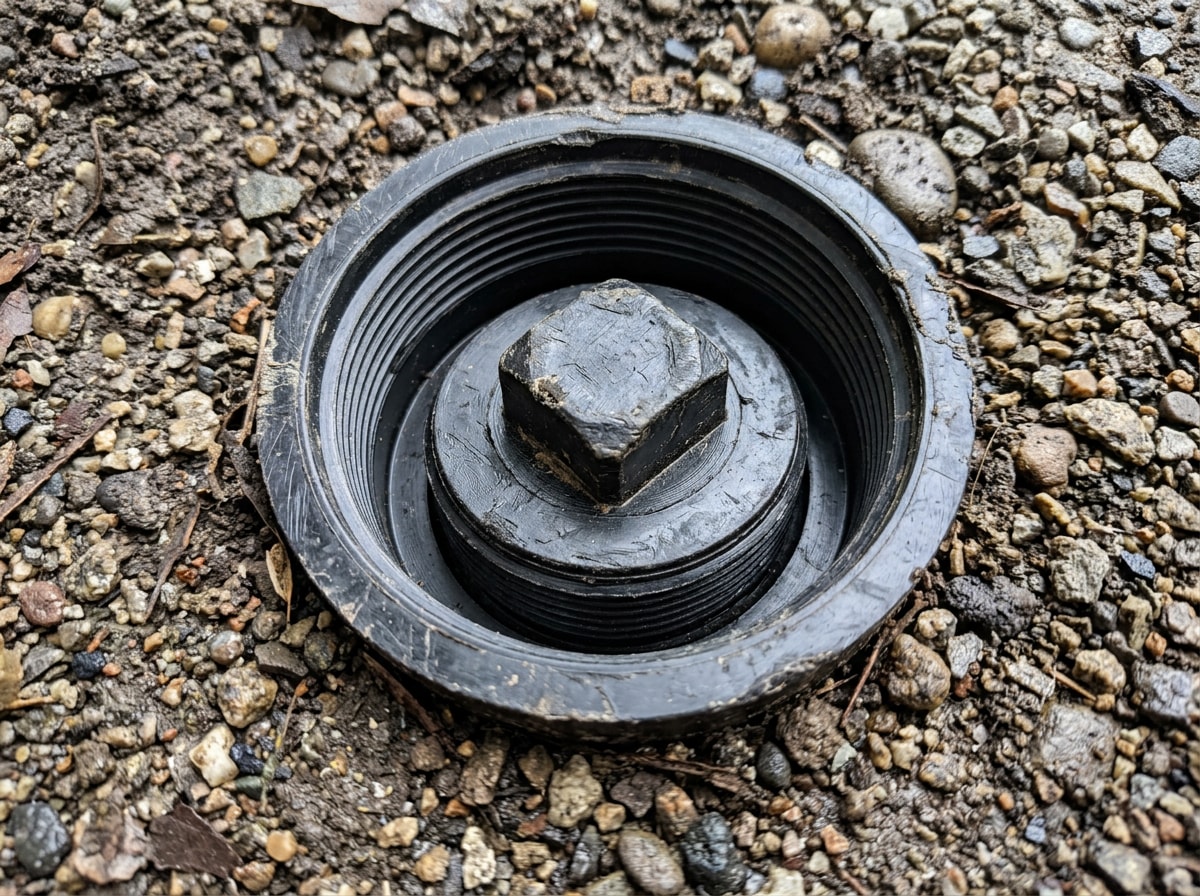
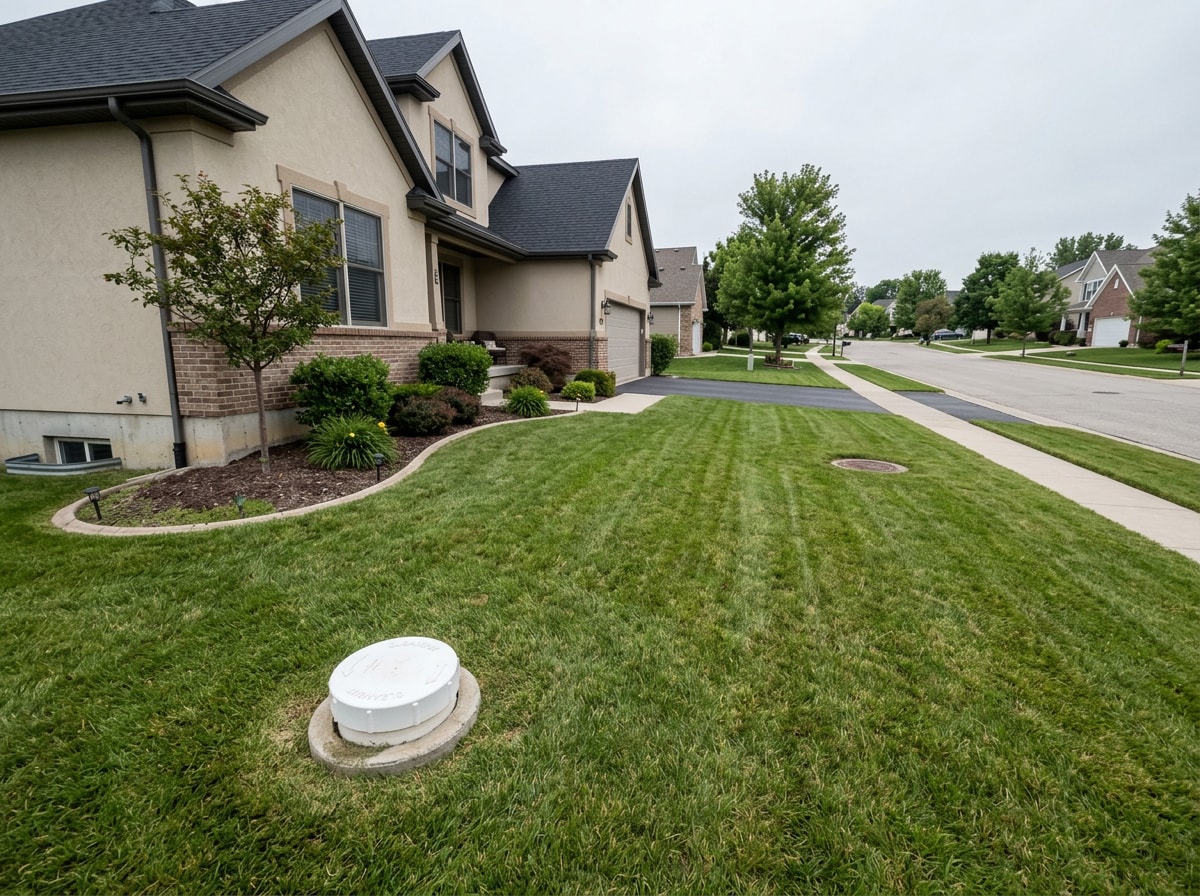
Look for a 3, 4, or 6 inch pipe running toward the main sewer line, usually white or black ABS, capped with a threaded plug and a square nut. Older homes may use brass or cast iron.
The fitting is typically T or Y shaped. Outdoors, all you may see is a square or round head on a short capped pipe sticking a few inches above grade, sometimes under a screw on plastic cap. Indoors, it usually sits flush against a wall or floor.
Homeowners regularly mistake irrigation valve boxes, water meter lids, and septic risers for cleanouts. If there is a valve, a dial, or a filter inside, it is not one.
How to Find Your Sewer Cleanout
Start with your building type.
Homes on a slab foundation often have the cleanout outside, though it may sit in a garage, utility room, or bathroom. Warm climates almost always use an outdoor one. A plumbing diagram or property survey frequently marks the exact spot.
How to Find a Buried Outdoor Cleanout
Walk the perimeter of the house, staying close to the foundation wall.
A buried cleanout is usually found outside a bathroom, since that is where the heaviest drain lines converge. Check behind shrubs, under mulch, and in tall grass. Many sit in a low ground box with a metal or plastic lid.
If that turns up nothing, triangulate. The cleanout lines up with the sewer lateral, so find the septic tank or the point where the line meets the street, then walk that straight path back toward the house until you hit a capped pipe or lid.
Still nothing? Trace from the inside out. Follow the drain lines from sinks, toilets, the washer, and the dishwasher. The cleanout sits just after those branches tie into the main.
Where Indoor Cleanouts Hide
Some houses have no practical yard access to the main line, and in cold climates an outdoor cleanout can freeze or disappear under snow. Those homes get an indoor cleanout instead.
Begin in the basement. Follow the lowest horizontal drain run, the building drain, and look for a capped fitting near the floor where the pipe passes close to an exterior wall.
From there, check crawl spaces, the utility room, the garage, and the laundry area. A basement cleanout cap usually has a square or hexagonal nut sized for a pipe wrench, which is the giveaway that you have the right fitting.
What to Do If You Cannot Find It
Three moves usually settle it:
- Pull your plumbing diagram or plat map.
- Ask your local water department or public works office for sewer lateral records, which often show the tie in and any access points.
- Have a plumber locate the line electronically.
Also check where drain pipes cluster, such as under a bathroom, since not every cleanout sits on the main run. And keep this in mind: a cleanout you cannot find may have been paved or landscaped over rather than never installed. That difference changes both the fix and the price.
On older San Jose and Palo Alto properties, our crews find cleanouts buried under three or four inches of soil and bark, or capped off under a patio pour from a 1980s remodel. A short probe with a screwdriver along the foundation line finds more of them than any amount of guessing does. If you would rather skip the digging, schedule a free inspection and we will locate it for you.
What Your Cleanout Tells You Before the Plumber Arrives
This is the part most guides skip. The cleanout is a diagnostic tool, not just an access hole. What you see at the cap narrows the problem before anyone runs a cable.
| What you observe | Likely meaning | What to do |
|---|---|---|
| Cap dry, drains slow inside | Blockage is upstream, between the fixture and the cleanout | Fixture or branch line cleaning, not a main line job |
| Water standing at the cleanout | Blockage is downstream, toward the street or tank | Stop using water, call for main line service |
| Water pours out when the cap loosens | Line is full and under head pressure | Back away, do not remove the plug, call a pro |
| Cap missing, gravel or soil inside | Debris and stormwater have been entering the line | Camera inspection before cleaning |
| Roots visible in the opening | Root intrusion at joints nearby | Camera inspection, then cutting or jetting |
Tell your plumber which row matched. It shortens the diagnostic and often the bill.
Common Sewer Cleanout Problems
Warning signs arrive before failure does: slow drains, gurgling pipes, and sewage odor near floor level. Worse indicators include several backed up drains at once, sewage surfacing from a floor drain, or water rising in the shower when you flush the toilet.
Three causes account for most of it.
- Root intrusion. Roots enter pipe joints seeking moisture, then expand until they crack the pipe or choke off flow. Clay and cast iron lines are the usual victims.
- Cap failure. A broken or missing cap lets stormwater and debris into the line. Older metal caps corrode and seize. Newer plastic ones vanish under fresh landscaping or asphalt.
- Line collapse. The most serious of the three. A collapsed section calls for excavation or trenchless sewer repair, not cleaning.
Catching the first two early is usually the difference between a service call and a construction project. A sewer line inspection after repeat clogs tells you which one you are dealing with.
How Do You Clear a Sewer Cleanout?
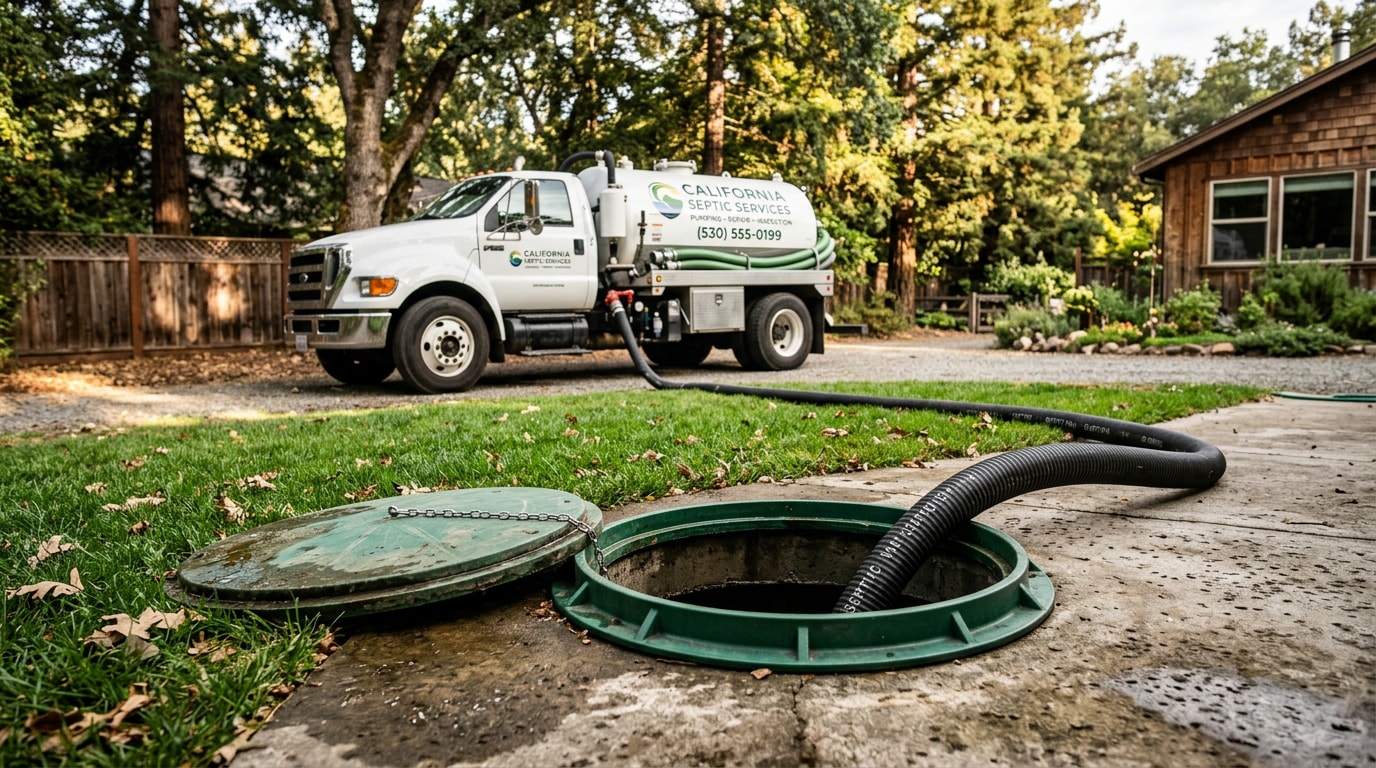
Hire a service professional. A technician can diagnose the cause instead of the symptom and tell you what is driving the repeat clogs.
The work follows a pattern:
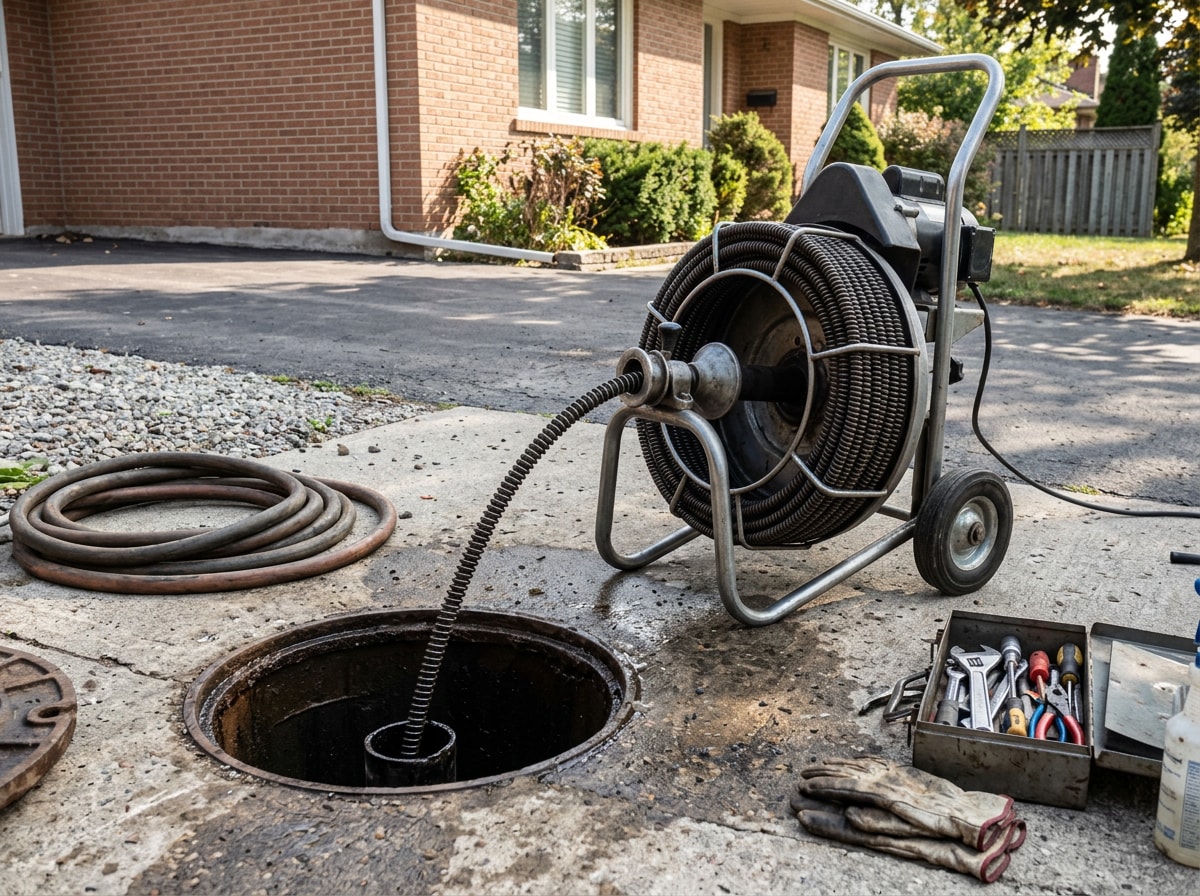
- A cable machine or sewer auger goes in first to open the line.
- A drain camera inspection follows to see what caused the blockage.
- Hydro jetting scours the pipe walls when grease or scale is the problem.
A two way cleanout matters here, because it lets the technician work toward the street and back toward the house from one opening.
One serious caveat: a backed up line holds pressurized wastewater behind that plug. Opening it carelessly can release raw sewage and sewer gas into your face. Anyone opening one should back the plug out slowly, stand to the side, and use gloves, eye protection, and boots. OSHA and CDC guidance on protection for workers exposed to raw sewage exists for a reason. If you poured chemical drain cleaner down that line earlier, say so, because it may be sitting right behind the plug.
For an active backup, emergency plumbing service is the faster call than a rental cable and a flashlight.
Plumbing Cleanout Cost by Type
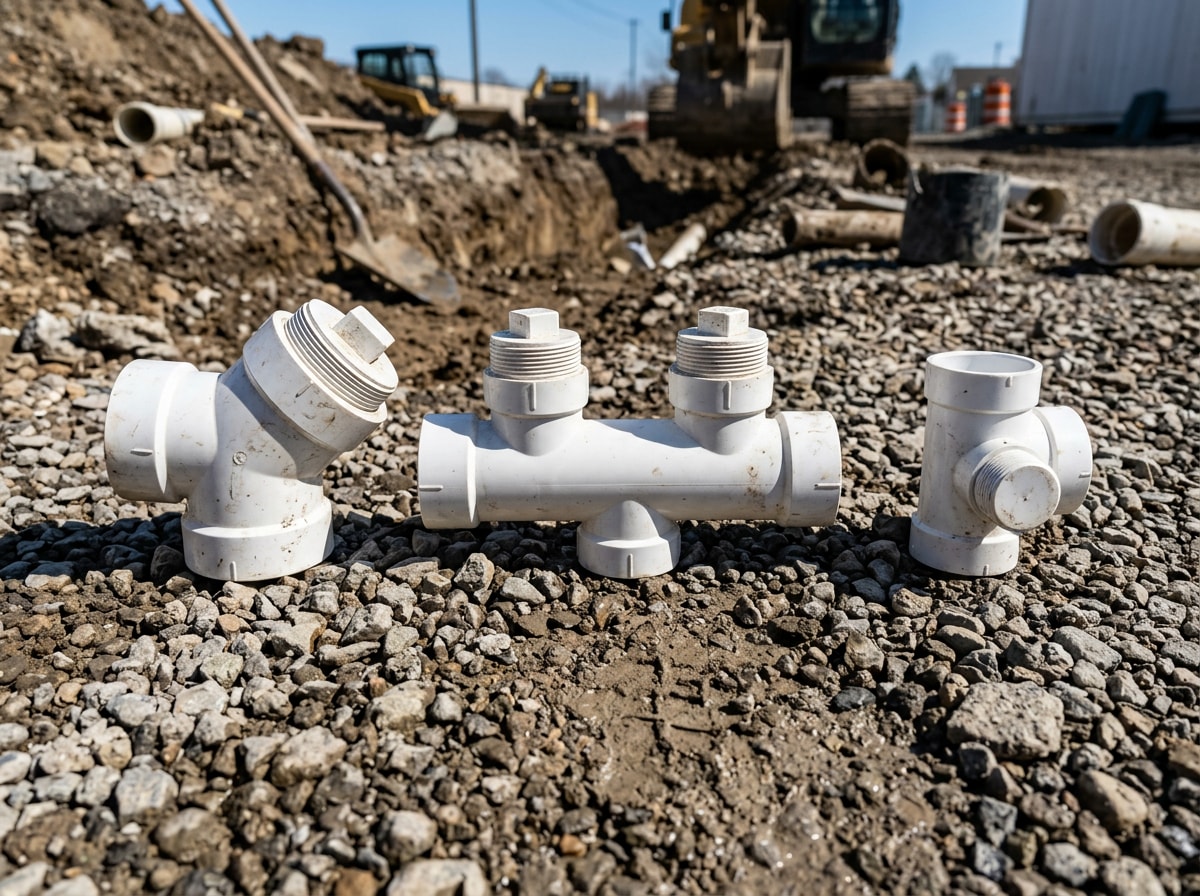
Three configurations show up in residential work, and the one you have shapes every future service call. The figures below are typical installed ranges quoted in 2026. Local labor rates and site conditions move them, so treat them as a planning band rather than a price.
| Type | Typical installed cost | Access direction | What it means for service calls |
|---|---|---|---|
| One way | $1,400 to $2,500 | One 45 degree pipe, toward the municipal connection only | Cheaper up front, but a house side blockage may still mean pulling a fixture |
| Two way | $2,000 to $5,000 | Two adjacent 45 degree pipes facing opposite directions | Access to both sides of the line, fewest surprises later |
| Test tee | $5 to $25 for the part | Connects downward at 90 degrees | Used mostly for lines inside walls and installed during construction, and the perpendicular turn makes cable work difficult |
Two way cleanouts are the most common of the three. Labor makes up most of that installed cost, not the fittings.
Installation Cost Factors
Price swings come down to location, site conditions, cleanout type, installation complexity, and whether the job includes other repairs.
Regional labor and material rates set the baseline. Excavation drives the rest, since deeper lines, driveways, and mature root systems all add hours. If the line is being opened anyway, pairing the work with a plumbing repair or partial replacement usually costs less than two separate mobilizations.
Timelines run from about two hours to several days. A simple, accessible install typically lands in the two to five hour range.
Budget for a permit and inspection as well. Jurisdictions differ on fee structure and on who pulls the permit, so check with your local building department before you compare bids. Homeowners in San Jose and the surrounding area should also confirm whether the city requires a lateral test at the time of sale.
Sewer Cleanout Maintenance Tips
Annual inspections and careful drain habits go a long way. Beyond that, many plumbers suggest a professional main line drain cleaning every 18 to 22 months as a starting guideline, with the real interval set by your pipe material and clog history.
Then there is the access point itself, which almost nobody maintains:
- Keep the area around the cap clear of landscaping, mulch, and debris.
- Keep the cap intact and hand tight, not cranked down.
- Mark it, because a mower or string trimmer will snap a plastic cap clean off.
The cheapest prevention is what you do not send down the drain. Fats, oils, and grease congeal in the lateral, and wipes labeled flushable do not break down at all. The EPA lists both among the materials that cause sanitary sewer blockages and overflows, and its 2004 Report to Congress attributed 47 percent of reported blockages to grease from homes, restaurants, and industrial sources.
Kitchen lines are where most of that grease starts. If you are remodeling or repiping under the sink, our breakdown of a proper kitchen sink plumbing diagram covers the fittings and code details that keep that branch flowing.
Not sure what shape your lateral is in? A plumbing inspection answers it in under an hour, and scheduling a free inspection costs less than one emergency backup.
FAQ
Do all houses have a sewer cleanout?
No. Most modern homes have at least one, but some older homes have none, and one can be added. More often the cleanout exists and was drywalled over during a remodel or paved under a patio.
Who is responsible for the sewer cleanout?
Generally the property owner owns and maintains the lateral and its cleanout from the house to the connection at the public main, while the utility maintains the main itself. Boundaries and repair assistance programs vary by city, so confirm with your local sewer utility.
How often should a main sewer line be cleaned?
Every 18 to 22 months is a reasonable starting guideline. Shorten that interval if mature trees sit near the line, if you have clay or cast iron pipe, or if you have had recurring clogs in the past year.
Should a sewer cleanout have water in it?
No. Standing water means waste is not flowing freely and points to a blockage downstream. Stop running water in the house, skip laundry and the dishwasher, and call a plumber rather than opening or probing the line yourself.
Can I open the cleanout myself?
You can, but only if nothing is backed up. Back the plug out slowly with a wrench, stand to the side, and wear gloves and eye protection. If water starts pushing out around the threads, stop and retighten.
What happens if my house has no cleanout?
A plumber has to reach the main line through a fixture, a roof vent, or a pulled toilet. It works, but it costs more labor and it limits camera access. Installing one is usually worth it if you have had more than one main line clog.
Is a cleanout the same as a vent pipe?
No. A vent pipe carries air and runs up through the roof. A cleanout is a capped opening on a drain line at or near ground level. Running a cable down a vent is a last resort, not a substitute.
Why does my cleanout smell?
Almost always a loose, cracked, or missing cap. That cap is the seal between the sewer line and your yard. Replace it, and if the odor persists, have the line camera inspected for a break.
Can a cleanout overflow into the yard?
Yes, and that is the design working as intended. When the lateral blocks, the cleanout relieves pressure outside instead of pushing sewage up through your lowest indoor drain. An overflowing cleanout is a signal to stop water use and call for service.
Who installs a sewer cleanout?
A licensed plumbing or sewer contractor, usually under permit. Ask whether the quote includes excavation, backfill, surface restoration, and the permit fee, since those line items are where bids diverge most.
Written by the licensed team at Gomez Sewer and Drain, a plumbing, drain, and sewer contractor serving San Jose, the Peninsula, and surrounding communities. See examples of completed work on our projects page, or reach a technician through our contact page.