A dripping supply line and a sewer backup are not the same emergency, but they end in the same search: plumbing repairs near me. The difference between a $300 bill and a $6,000 one is usually who answers that call. Here is the triage, the 2026 price ranges, and the 20-minute vetting sequence you can run with water still on the floor.
Call Tonight or Schedule This Week?
Start by sorting the problem, not the company. Urgency decides what you pay.
Call now. These are after-hours worthy:
- A burst or actively spraying pipe you cannot isolate at a fixture stop
- Sewage odor or backup at the lowest drain in the house
- No water at all to the home
- Any suspected gas smell (leave first, then call the gas utility)
- Water running into an electrical panel, ceiling fixture, or finished basement
Those justify an emergency plumber and the premium that comes with one.
Schedule during business hours:
- Repeat clogs across two or more fixtures
- No hot water in mild weather
- A running toilet or a slow drip under a vanity
- Low pressure at one tap
- A water heater weeping at the base but not flooding
Most of these get same-day or next-day service at standard rates through normal plumbing repair scheduling.
One test settles most arguments: shut every fixture off, then watch the water meter. If the dial still creeps, water is leaving the system somewhere you cannot see. The EPA's Fix a Leak Week guidance notes that household leaks waste close to a trillion gallons a year nationwide, and that roughly one in ten homes has a leak wasting 90 gallons or more per day. That is a flooded crawlspace waiting for a date.
What Plumbing Repairs Cost in 2026
Published 2026 national ranges cluster tightly. Coastal California sits at the top of every band, so treat the national average as a floor, not a target.
| Line item | National 2026 range | What drives it |
|---|---|---|
| Standard hourly labor | $75 to $150 | Journeyman vs master, market |
| West Coast / Bay Area hourly | $100 to $200 | Labor cost, licensing, permits |
| Service call or diagnostic fee | $50 to $200 | Often credited toward the repair |
| Emergency / after-hours hourly | $150 to $300 | Nights, weekends, holidays |
| Drain cleaning, flat rate | $150 to $350 | Access, cleanout location |
| Toilet repair | $150 to $400 | Flapper and fill valve vs flange |
| Water heater replacement | $1,000 to $3,500 | Tank vs tankless, venting, code |
Two things that table hides.
First, most established shops quote flat rate per job rather than hourly, so the hourly number is a benchmark for comparison, not a line on your invoice.
Second, after-hours pricing usually carries a one or two hour minimum plus a trip fee. A fifteen minute fix at 11 p.m. still lands in three figures.
If the repair quote is climbing toward replacement territory, ask for both numbers before you decide. On an aging house, a repair that buys eighteen months is sometimes the wrong buy, which is a pattern we see constantly on cast iron drain lines in older Bay Area homes.
The 20-Minute Vetting Sequence
Run these in order. The first four build a shortlist from sources that are hard to fake. The last two cut it to the company you would hand a house key to.
1. Verify the license before anything else
In California, anyone charging more than $500 in combined labor and materials must hold a Contractors State License Board license, and plumbing work falls under the C-36 classification. Check it yourself at the CSLB Check a License tool.
Read four fields:
- Status: must read current and active, not inactive or suspended
- Classification: C-36 for plumbing, or B for general building on remodels
- Bond: $25,000 bond on file for every active license
- Workers' comp: filed, or an exemption if the owner works alone
Names match loosely in that database. Search the license number when you have it.
2. Get a certificate of insurance from the carrier
Ask the office to have the carrier email the certificate directly. A PDF pulled off a phone in the driveway is a copy of a record that may have lapsed.
Check carrier name, effective and expiration dates, general liability limits, and whether workers' compensation appears. If an uninsured helper gets hurt in your crawlspace, that exposure can drift onto your homeowner's policy.
3. Read reviews for patterns, not stars
A company holding 4.3 stars across 400 recent, detailed reviews is a safer bet than a thin perfect score.
Three signals worth scanning for:
- Clusters of same-week reviews after months of silence, which often means a review push
- Reviews that praise price but never name the job. Real customers mention the slab leak, the water heater, the main line
- An owner who argues with every critic. Defensive replies preview how a billing dispute will go
Weigh review count against company age. Forty reviews on a two-year-old shop is healthy. Forty on a thirty-year-old company means nobody has been asking.
4. Check the complaint record
The Better Business Bureau adds what star ratings leave out: a published complaint history with resolution status. A decade-old company with a handful of complaints, all resolved, is normal. Unanswered filings are the signal to move on. Accreditation is paid for, so treat its absence as neutral.
CSLB records also show pending disciplinary action, which is the harder-hitting version of the same check.
5. Confirm they actually cover your ZIP code
Plenty of map results come from shops twenty miles out that will quote a trip fee or quietly decline. A published service area page settles it in seconds, and ours lists every city we run trucks in, including San Jose and surrounding areas and Palo Alto.
6. Ask for a dispatch window, not a day
"Sometime today" is not a commitment. A two-hour window is.
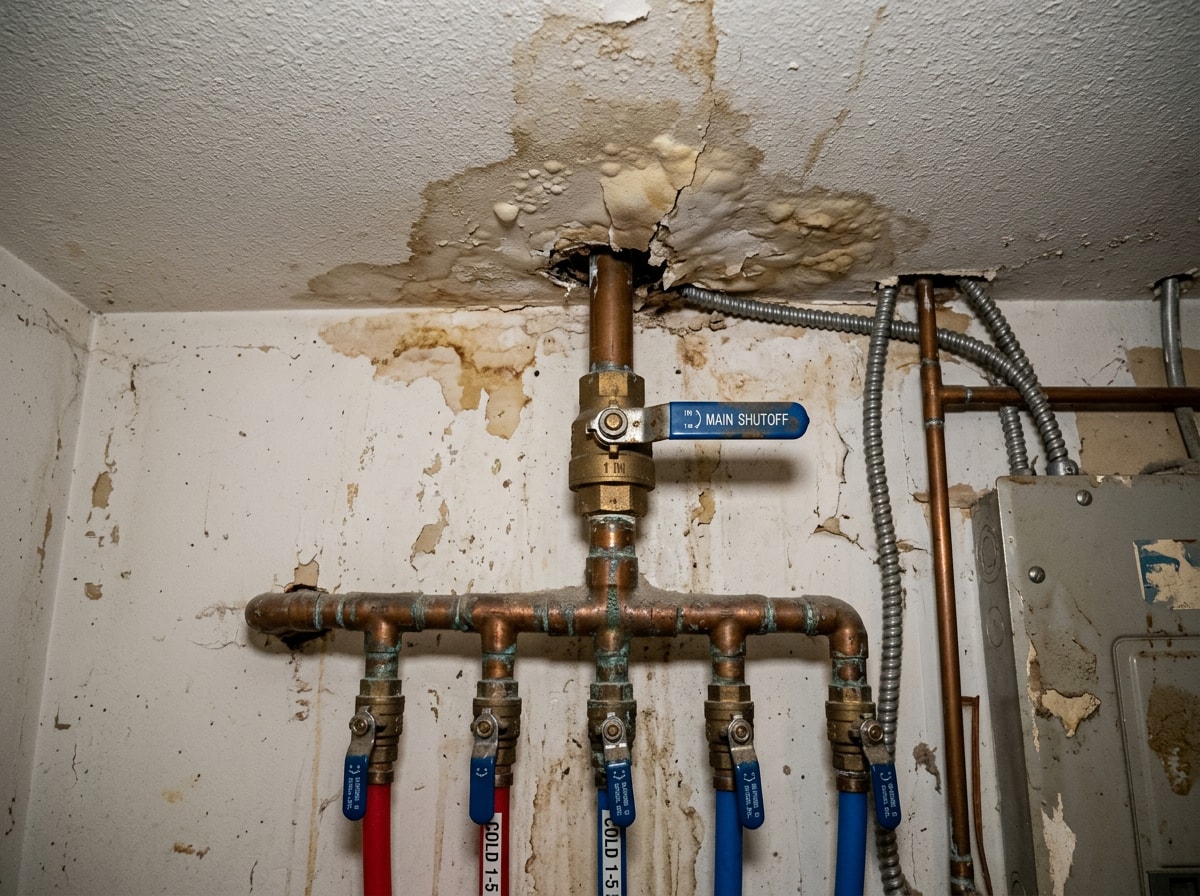
A plumber already working six minutes from your street beats a better-advertised company dispatched from across the metro. On a live leak, response time is the entire product. Looking at completed work helps too, which is why we publish project photos rather than stock images.
Questions to Ask on the First Call
Shortlist three companies and phone all three. You will read an operation's discipline off that five-minute call faster than off any website.
- Are you licensed, bonded and insured, and what is your license number?
- Have you fixed this exact problem before, and how often?
- Is pricing flat rate or hourly, and what is the diagnostic fee?
- Is the diagnostic fee credited toward the repair if I book?
- Can you give me two options with a cost range for each?
- What is the parts warranty, and what is the labor warranty, quoted separately?
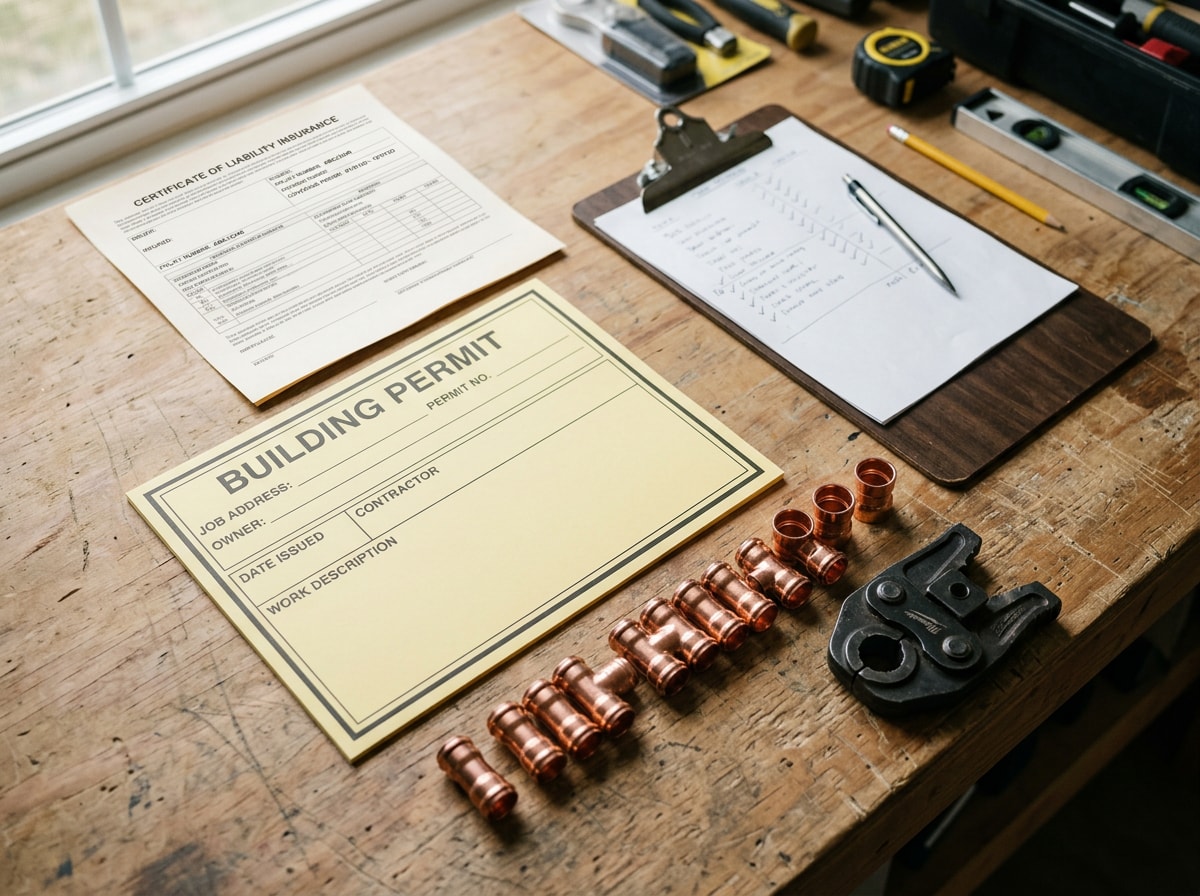
- Who pulls the permit if one is required?
A strong answer sounds specific: "We see that on 1970s cast iron constantly, here are the two ways we fix it and what each runs." A weak answer is "we'd have to see it" with no willingness to name a range or a past job.
Get the estimate in writing before anyone opens a wall. The FTC's guidance on avoiding home improvement scams makes the same points we do: written scope and price, no full payment up front, and never choose on lowest bid alone.
One resale note. Permitted work leaves a paper trail, and unpermitted plumbing repairs surface during inspection and get renegotiated at closing.
Match the Repair to the Right Specialty
"Plumbing repair" covers trades that barely overlap. Asking for the right one shortens the call.
| Symptom | Likely service |
|---|---|
| Multiple drains backing up at once | Main line drain cleaning |
| One slow sink or tub | Drain cleaning |
| Repeat clogs after snaking | Drain camera inspection |
| Sewage smell in the yard, soggy patch | Sewer line repair |
| No hot water, rumbling tank, rust at base | Water heater repair |
| Pinhole leaks in several places | Plumbing replacement |
| Buying or selling a house | Plumbing inspection |
Our field crews log the same pattern across Santa Clara and San Mateo counties year after year: the two calls most likely to turn into a five-figure job are the slab leak someone lived with for a month and the main line that was snaked three times without a camera ever going down it. Both started as cheap, boring symptoms.
Browse the full plumbing service list or start from our homepage if you are not sure what you are dealing with.
Ready to put a number on it? Request a free estimate and we will give you a dispatch window, not a vague promise.
FAQ
How much does it cost to hire a plumber?
Published 2026 ranges put standard hourly labor at $75 to $150 nationally, with averages reported near $90 to $110. California and other West Coast metros commonly run $100 to $200 per hour. Expect a separate service call or diagnostic fee of $50 to $200, and remember that material markup sits on top of labor.
How much does an emergency plumber cost per hour?
Nights, weekends and holidays typically raise the rate by 50 to 100 percent, putting emergency work in the $150 to $300 per hour band in most markets. Many companies add an after-hours trip fee and bill a one or two hour minimum.
Do plumbers charge for estimates?
It depends on the visit. Quotes for planned work such as a repipe or water heater swap are often free. A diagnostic visit for an unknown leak usually carries a fee, because finding the problem is the work. Ask whether that fee is credited toward the repair.
How fast should a local plumber respond?
For true emergencies, a company with staffed after-hours dispatch should give you a two-hour arrival window on the phone. For non-urgent repairs, same day or next day is normal. If nobody will commit to a window, call the next shop on your list.
What do I do if a pipe bursts right now?
Shut the main water valve first, then cut power to the affected area at the breaker. Open the lowest faucets in the house to drain the lines, photograph everything for insurance, and call an emergency plumber. Locate your main shutoff today, not during the flood.
How much does toilet repair cost?
Most toilet repairs land between $150 and $400, averaging near $250. A failed flange, a cracked tank or a third repeat leak can push replacement below the cost of another repair, so ask for both numbers.
Can a handyman do plumbing repairs instead?
For a flapper or a faucet cartridge, often yes. For anything involving gas, the main line, a water heater, permitted work, or a job over the state licensing threshold, hire a licensed plumbing contractor. Unlicensed work on those items voids warranties and surfaces at resale.
Is it cheaper to repair or replace old pipes?
Repair wins when the failure is isolated and the rest of the system is sound. Replacement wins once you are fixing the same line a second or third time, or once a camera shows deterioration along the whole run. Ask for the repair cost, the replacement cost, and the expected remaining life of the existing pipe before choosing.
Do I need a permit for a plumbing repair?
Simple like-for-like fixture repairs usually do not. Water heater replacement, repiping, sewer line work, and gas line work generally do, and the permit is pulled by the licensed contractor, not by you. A contractor asking you to pull the permit yourself is a red flag.
Still deciding? Send photos and a short description through our contact page and a licensed technician from the Gomez Sewer & Drain field team will tell you whether it needs a truck tonight or a slot on Thursday.