An overflow pipe in Menlo Park, CA almost always means one of three things: a dripping water heater discharge line, a running toilet with a worn overflow tube, or a leaking bathtub overflow drain. Each fixture uses the term differently, and the fix is different for each one too. Here's how to tell which overflow pipe you actually have, what to do about it, and when the job calls for a licensed plumber instead of a weekend project.
Three Overflow Pipes, Three Different Problems
Before troubleshooting, confirm which overflow pipe is actually involved. The symptoms look similar from across the room but the causes don't overlap.
| Overflow Pipe | Where It's Found | Normal Behavior | Most Common Cause of Leaks |
|---|---|---|---|
| Water heater T&P discharge pipe | Runs from the tank's top or side down to the floor or outdoors | Bone dry | Excess pressure, thermal expansion, overheating, or sediment |
| Toilet overflow tube | Inside the tank, tied to the fill valve | Dry except for a few seconds after flushing | Worn fill valve or flapper |
| Bathtub overflow drain | Behind the overflow plate near the top of the tub | Dry between baths | Cracked or compressed rubber gasket |
What Is the Overflow Pipe on a Water Heater?
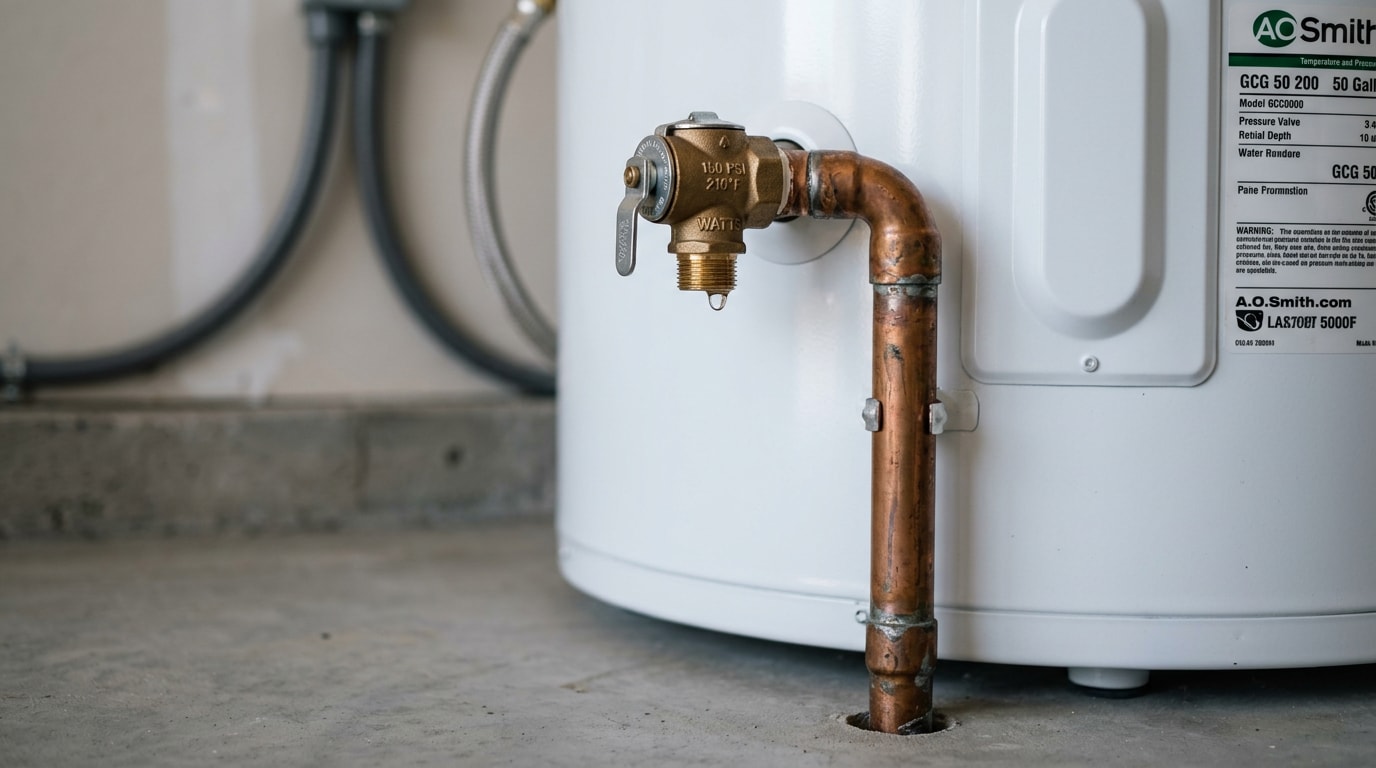
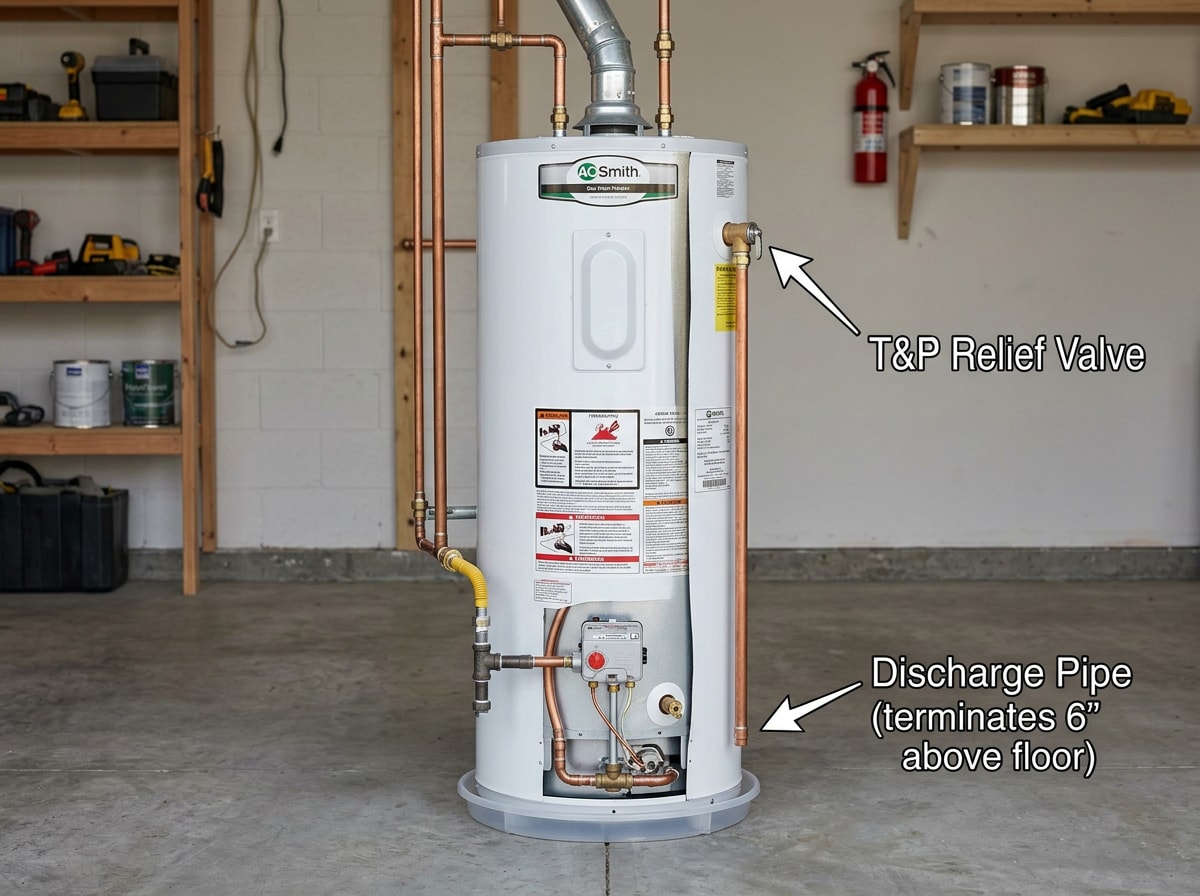
The water heater overflow pipe, more accurately called the T&P (temperature and pressure) discharge pipe, carries water away from the T&P valve if the tank's internal pressure or temperature climbs too high. Under normal operation this pipe should stay completely dry. Any water heater overflow pipe dripping usually signals a problem elsewhere in the system, not a problem with the pipe itself.
Code sets tight rules for how this pipe has to be installed. According to the International Code Council's own guidance on the subject, the discharge piping must not be directly connected to the drainage system, and the maximum working pressure for the pipe is set at 100 psi because of the possibility of pressure surges in a water distribution system. The termination point is just as strict. Residential code requires the pipe to terminate not more than 6 inches and not less than two times the discharge pipe diameter above the floor or waste receptor flood level rim. That clearance keeps the outlet visible for leak detection and reduces scald risk if the valve ever discharges hot water under pressure.
Toilets and tubs have their own overflow components, covered below, but the water heater's discharge pipe is the one that sends most Menlo Park homeowners searching for answers.
Why Is My Water Heater Dripping From the Overflow Pipe?
A T&P valve leaking or dripping almost always traces back to one of four things: too much water pressure, thermal expansion in a closed system, an overheated tank, or sediment buildup. Here's how to tell them apart.
Excessive water pressure. Municipal pressure that regularly runs above 80 psi puts constant strain on the T&P valve, which can force it to weep just to relieve the excess. A pressure test at an outside hose bib will confirm this in minutes. If readings come back high, a pressure-reducing valve on the main supply line typically solves the problem and protects other appliances too.
Thermal expansion. In a closed plumbing system, one with a check valve or pressure regulator on the main line, heated water has nowhere to expand, so pressure spikes and pushes past the valve. This isn't a minor detail. Residential code treats it as a defect: the 2015 International Residential Code requires that whenever a closed system is created, by the installation of a backflow preventer, check valve or PRV installed in a water service or anywhere else upstream of the water heater, some means of controlling thermal expansion be installed, normally by means of a properly sized expansion tank. Adding one absorbs that extra volume and usually stops the dripping for good.
Overheating. If the thermostat is set too high, the tank can reach temperatures that trip the T&P valve as a safety measure. Most manufacturers recommend a setting around 120°F, hot enough for household use without pushing the tank toward overflow conditions.
Sediment buildup. Sediment that settles at the bottom of the tank insulates the water from the heating element, forcing the system to run hotter than it should. Flushing the tank once a year clears this out and is one of the simplest ways to stop a dripping overflow pipe from becoming a recurring headache. If the valve keeps weeping after you've ruled out pressure and temperature issues, a water heater repair visit can confirm whether the valve itself needs replacing.
Common Issues With Toilet Overflow Tubes
Toilet overflow tubes fail for different reasons than water heater discharge pipes. The most common culprit is a malfunctioning fill valve that keeps feeding the tank after it should shut off, sending the excess down the overflow tube and into the bowl.
Before assuming the fill valve is at fault, work through this checklist:
- Check the handle-and-chain connection for slack or binding.
- Inspect the flapper valve seat for mineral buildup or warping.
- Confirm the tank bolts are snug and not letting the tank sit crooked.
- Look over the overflow tube itself for hairline cracks.
A running toilet caused by any of these wastes far more water than most homeowners realize. Household leaks can waste nearly 1 trillion gallons of water annually nationwide according to the EPA's WaterSense program, and a single stuck fill valve is often the biggest single leak in a house.
How to Fix a Toilet Overflow Pipe
Replacing a toilet overflow tube is a manageable project for most homeowners:
- Shut off the water supply at the valve behind the toilet.
- Remove the tank lid and set it somewhere padded.
- Disconnect the refill tube from the old overflow tube.
- Pull the old tube free and set the new one in place.
- Reconnect the refill tube and turn the water back on.
- Run a test flush and check for leaks before replacing the lid.
If the tank still won't hold the correct water level afterward, or you'd rather not work inside the tank at all, our plumbing repair team can take it from there. For a broader look at diagnosing leaks throughout the rest of your home's pipes, see our guide on plumbing pipe repair.
What's Causing My Bathtub Overflow Drain Leak?
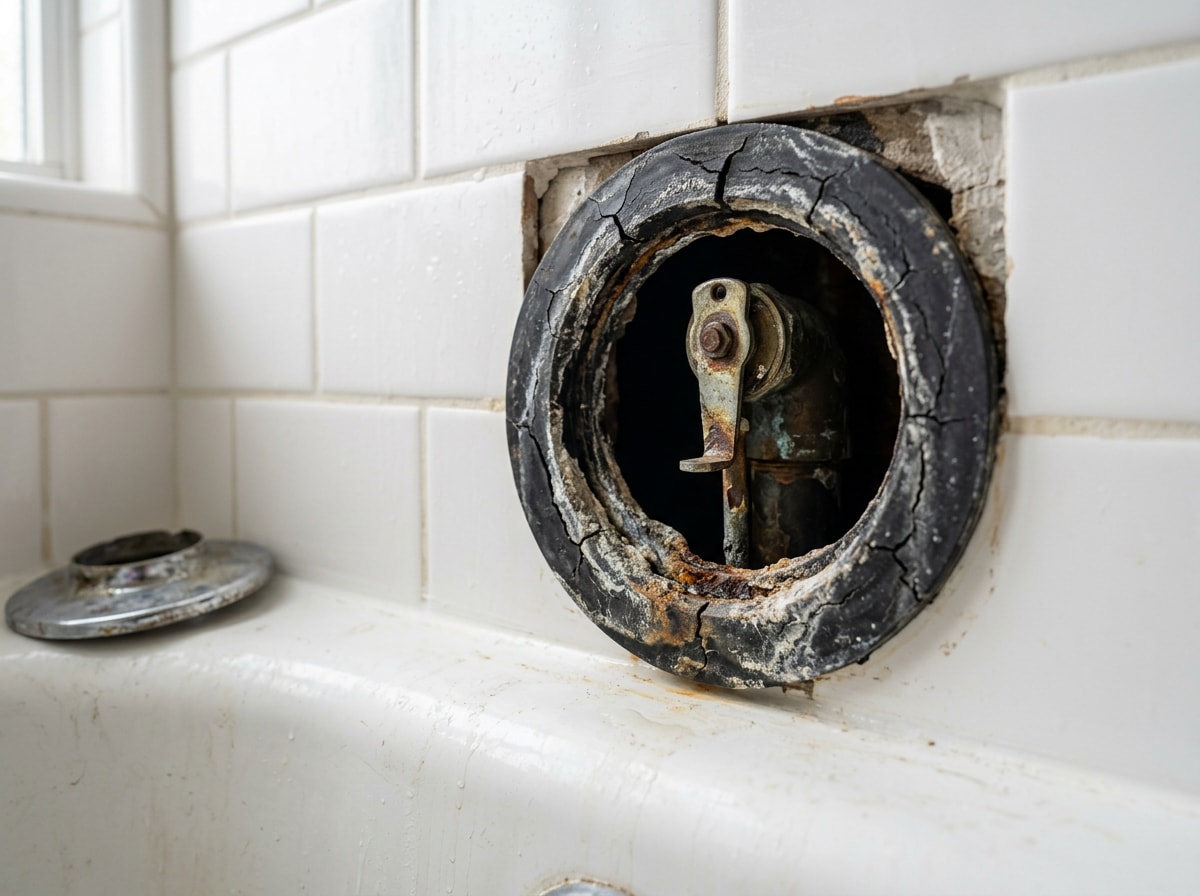
A bathtub overflow leak almost always comes down to a deteriorated rubber gasket behind the overflow plate, the cover near the top of the tub. Unlike a water heater's discharge pipe or a toilet's overflow tube, this leak typically only shows up during or right after a bath, since that's when pressure inside the drain assembly is highest.
To diagnose it:
- Remove the screws holding the overflow plate in place.
- Pull the plate and linkage out far enough to see the gasket.
- Check the gasket for cracking, flattening, or mineral crust.
- Replace the gasket if it's compressed or torn, then reseat the plate.
If water shows up between baths instead of during them, you're more likely dealing with a waste-drain leak than the overflow itself, a useful distinction when you're trying to figure out which of your home's three overflow pipes is actually the problem.
When to Call a Licensed Plumber in Menlo Park
Some overflow issues are safe to handle yourself. Others aren't. Call a licensed plumber if:
- A water heater's discharge pipe keeps dripping after you've checked pressure, temperature, and the expansion tank.
- The water coming out of any overflow pipe is hot or scalding.
- You spot corrosion around a valve, fitting, or tank connection.
- A toilet or tub overflow keeps recurring after a DIY repair.
Those symptoms can point to a failing T&P valve or a tank nearing the end of its service life, not a quick fix. A plumbing inspection will confirm exactly what's going on before any parts get replaced, so you're not paying to guess twice.
Why Menlo Park Homeowners Choose Gomez Sewer & Drain
Overflow pipe problems touch three very different fixtures, and getting the fix right depends on correctly diagnosing which one you actually have the first time. In practice, the water heater discharge pipe is the one most Menlo Park homeowners miss until it's been dripping long enough to stain the floor or cabinet underneath it, since it's tucked out of sight in a garage or closet.
Our technicians handle overflow pipe repair and installation for Menlo Park homeowners as routine work, covering water heater discharge lines, toilet overflow tubes, and bathtub overflow drains alike. Every job is backed by licensed, insured plumbers rather than a handyman juggling unrelated trades, which matters most when the issue involves pressurized hot water or a fixture that's actively leaking. A slow or incomplete fix there tends to mean repeat damage, not savings.
Visit our homepage to see the full range of services, or check our Menlo Park service area page for coverage details. Ready to get the drip diagnosed properly? Request a free estimate and we'll walk you through what we find.
FAQ
Is It Normal for a Water Heater Overflow Valve to Leak?
An occasional drop or two after heavy hot water use can be normal. A constant drip or steady stream is not, and usually means the valve is leaking due to pressure, temperature, or a worn valve seat that needs attention.
Why Is My Hot Water Heater Leaking From the Overflow Pipe But Not My Cold Water?
This points back to thermal expansion. Heated water expands and has nowhere to go in a closed system, so pressure builds and pushes past the T&P valve, something that simply doesn't happen on the cold side of the plumbing.
Can I Replace an Overflow Tube Myself?
Yes, replacing a toilet's overflow tube is a common DIY repair that only requires basic tools. If you're not confident shutting off and reconnecting the water supply, it's reasonable to have a plumber handle it instead.
How Do I Stop My Water Heater From Leaking From the Overflow Pipe?
Start by checking your home's water pressure, then inspect the T&P valve itself, confirm the thermostat isn't set too high, and make sure an expansion tank is installed if you have a closed plumbing system. Working through these in order resolves most cases.
How Much Does It Cost to Fix an Overflow Pipe in Menlo Park?
A toilet overflow tube or bathtub overflow gasket is typically a low-cost repair in parts and labor. A T&P valve replacement or expansion tank installation runs higher since it involves working on a pressurized water heater. Get a firm number by requesting a free estimate rather than guessing from a general range.
What Should I Do if My Overflow Pipe Is Actively Flooding My Home?
Shut off the water supply to the fixture, or the home's main shutoff if you can't isolate it, then stop using hot water until the system is checked. Active flooding from a water heater or supply line is an emergency plumbing situation, not a wait-and-see one.