If you are typing "septic plumbing near me" with a mop in your other hand, the gurgling toilet already told you something is wrong downstream. The expensive mistake is calling the wrong trade first and paying twice for the same problem. This guide sorts it in under a minute.
Septic Contractor or General Plumber: Who to Call First
Both trades touch the same wastewater. They carry different tools, different licenses, and different scopes.
Start with where the symptom shows up.
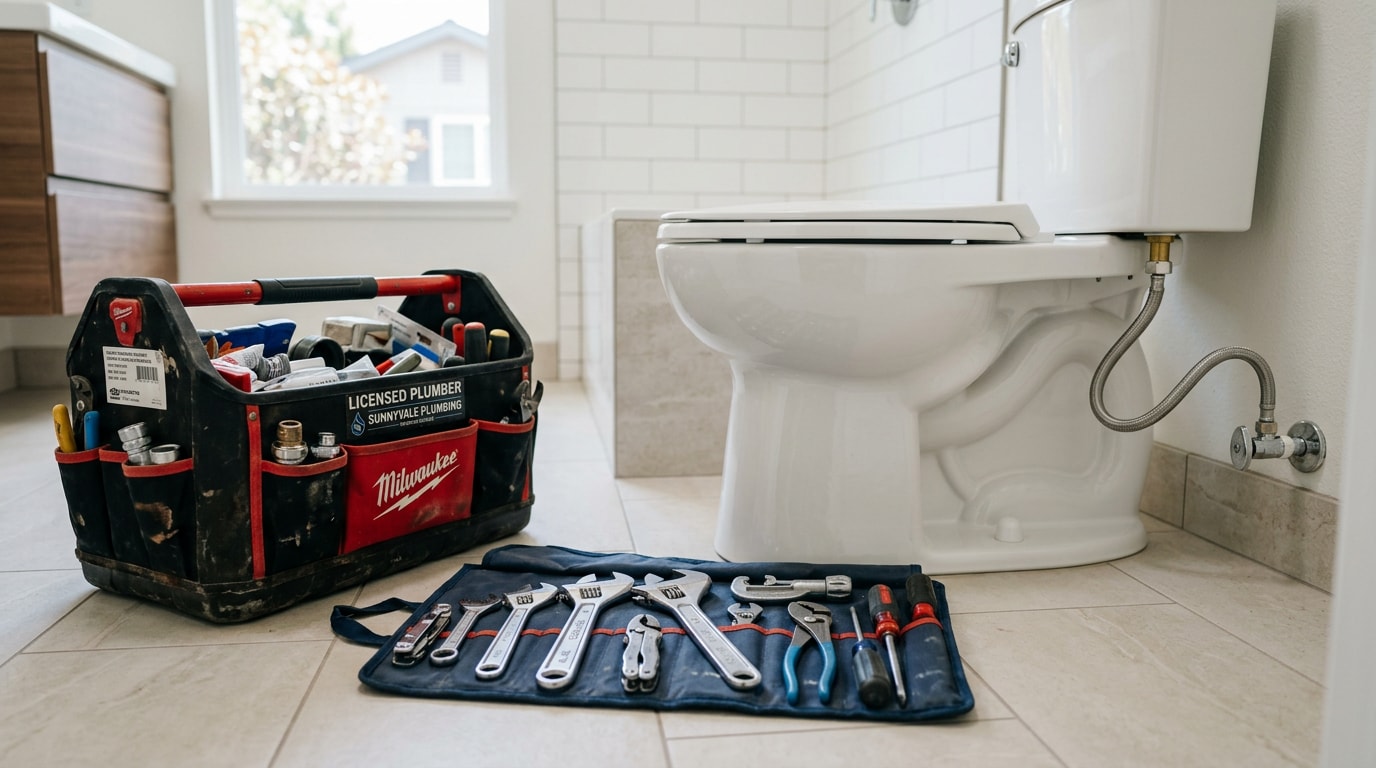
Call a General Plumber If
- One fixture is slow or clogged: a single sink, tub, or toilet
- There is a visible leak, a dripping faucet, or a running toilet
- Nothing smells or backs up outside the house
Most of these clear with a drain snake, and the plumbing repair finishes the same day. A good plumber will also look past the fixture and hand the job off if the cause turns out to be the tank or the field.
Call a Septic Contractor If
- Multiple drains back up at the same time
- Sewage odor shows up indoors or in the yard
- Wet spots or standing water appear over the tank or drain field
- The tank has not been pumped in three or more years
Septic work is permitted and licensed separately from general plumbing in most jurisdictions. That is why some plumbing companies legally cannot finish the job once the problem crosses the foundation line.
| Symptom | Most likely cause | Who to call first | Typical scope |
|---|---|---|---|
| One slow sink or tub | Local clog in a branch line | General plumber | Snake or auger the line |
| Dripping faucet, running toilet | Worn fixture parts | General plumber | Repair or replace the fixture |
| All drains slow, toilets gurgle | Full tank or blocked main line | Septic contractor | Camera inspection, pump out |
| Sewage at the lowest drain | Tank at capacity or main line failure | Septic contractor | Emergency pump, line check |
| Soggy, smelly yard over the field | Drain field saturation or failure | Septic contractor | Field evaluation, possible repair |
One homeowner we worked with paid for a main line snaking after a backup, then paid again two days later when the backup returned. The line was clear both times. The tank was full. One correct call would have cost less than the two wrong ones combined.
If your symptoms land in the bottom three rows, start with our sewer and septic service team rather than a standard drain call.
Signs Your Septic System Needs Service
One slow fixture is almost always a local clog.
When every fixture slows down at once, the problem is downstream: the main line, the tank, or the field.
Treat these as stop-using-water emergencies:
- Sewage backing up into a tub, shower pan, or floor drain
- Effluent surfacing anywhere in the yard
Surfacing wastewater is a pathogen exposure, not a smell problem. The EPA's guidance on failing septic systems lists backups, standing water over the tank or field, sewage odors, and bright green spongy grass over the drain field as failure signs that need a professional.
Less urgent, but still worth a call that week:
- Gurgling drains with no backup
- Mild odor near the tank only
- Slow drains that still clear
If a backup starts at night, read what counts as urgent versus what can wait before you pay an after-hours rate you did not need.
Not sure whether the blockage is in the house line or past it? A sewer line inspection answers that question before anyone digs. Schedule a free inspection and we will tell you which trade owns the problem.

Where Your Plumbing Ends and the Septic System Begins
Indoor plumbing handles wastewater from the moment it leaves a fixture. Branch lines from sinks, showers, and toilets join one main line that runs out through the foundation.
That main line is the handoff point.
Once waste clears the house, the tank separates solids from liquid, and treated effluent moves out to the drain field for final filtering in the soil.
Knowing where the boundary sits tells you which trade owns the problem. It also keeps you from paying someone to snake a line when the trouble is sitting 40 feet from your back door. If you want the full picture of what runs where, our guide to how a plumbing system works category pages break down each component.
What Septic Plumbing Services Actually Include
A full-service company covers more than pumping:
- Camera inspection of the main line and tank access
- Tank pumping and cleaning
- Main line drain cleaning and jetting
- Repairs to cracked tanks, failed pumps, and baffles
- Drain field and field line work
- Full system installation and replacement
Two of these deserve a closer look because they are where homeowners overpay.
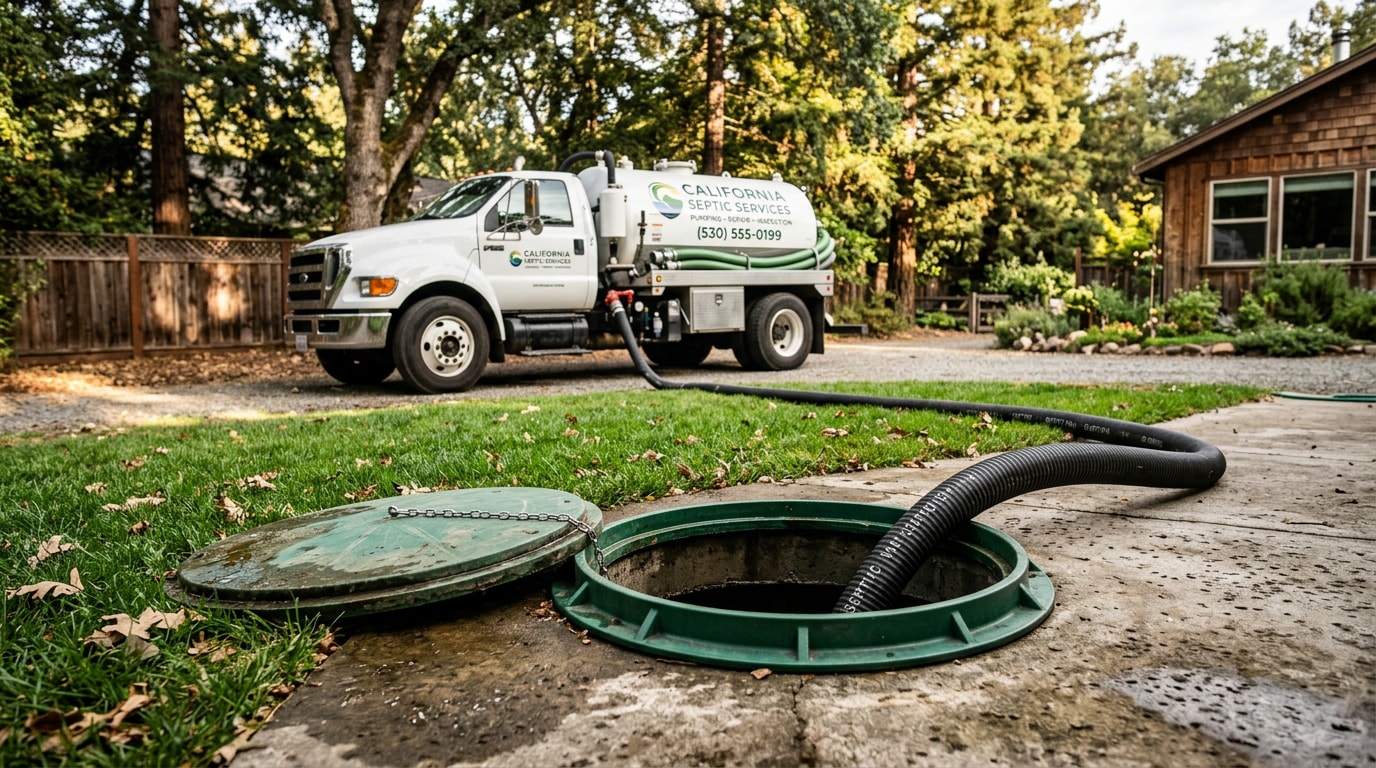
Septic Tank Pumping
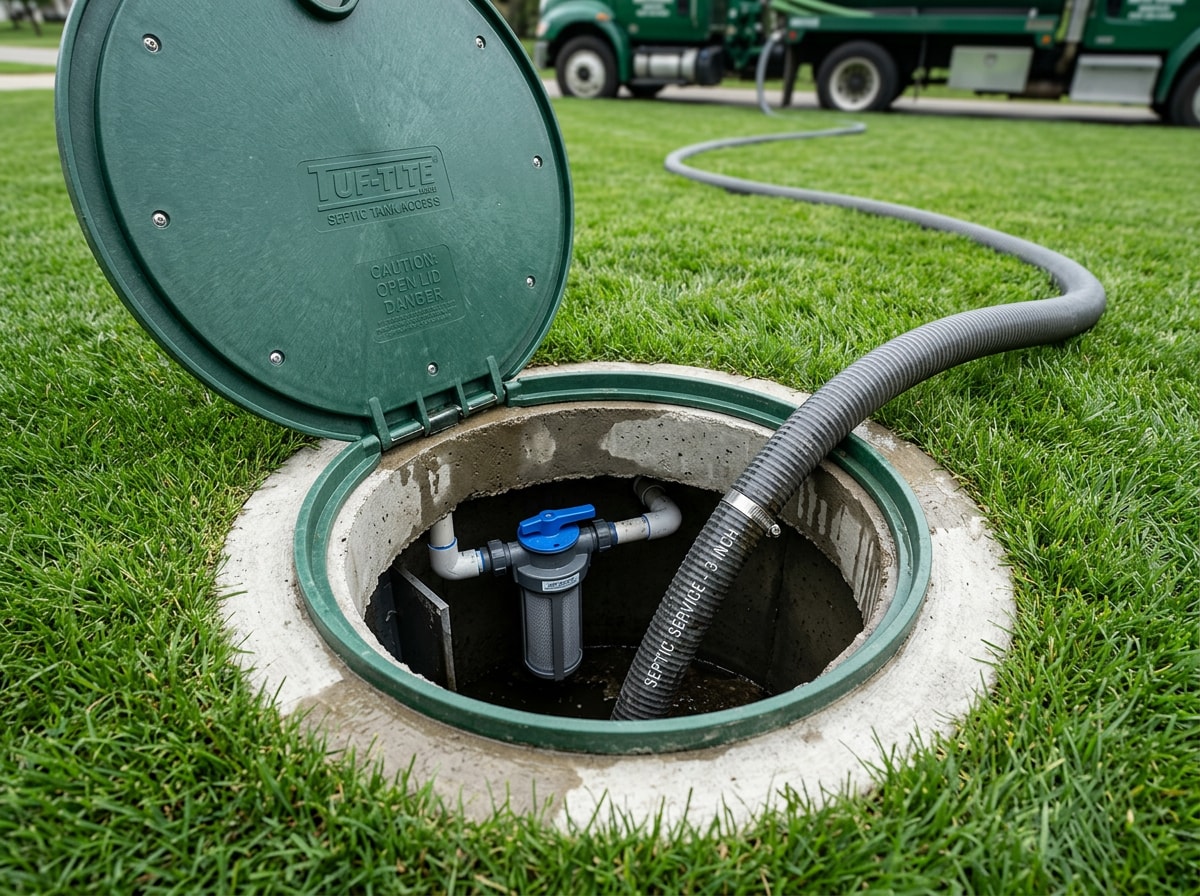
A proper pump out means locating and opening the access ports, removing the liquid and the hardened sludge and scum layers, and inspecting baffles, the effluent filter, and tank condition while the lid is off.
Watch for the shortcut: vacuuming only the top liquid and leaving packed solids on the bottom.
Ask whether the tank is cleaned through the manhole rather than through the narrow inspection pipes. The University of Minnesota's onsite sewage treatment program is explicit that cleaning through the manhole is what actually removes the solids.
The "every three to five years" rule is a starting point, not an answer. Commonly cited university extension figures for a 1,000 gallon tank look more like this:
| People in the home | Rough pumping interval (1,000 gallon tank) |
|---|---|
| 1 to 2 | 6 to 12 years |
| 3 | About 3.5 years |
| 4 | About 2.5 years |
| 5 to 6 | 1.5 to 2 years |
Those numbers assume no garbage disposal. Run one daily and the interval shortens meaningfully.
Every visit should end with a written service report documenting tank condition and recommended repairs. If there is no report, you have no baseline for the next visit.
When the Job Needs Excavation
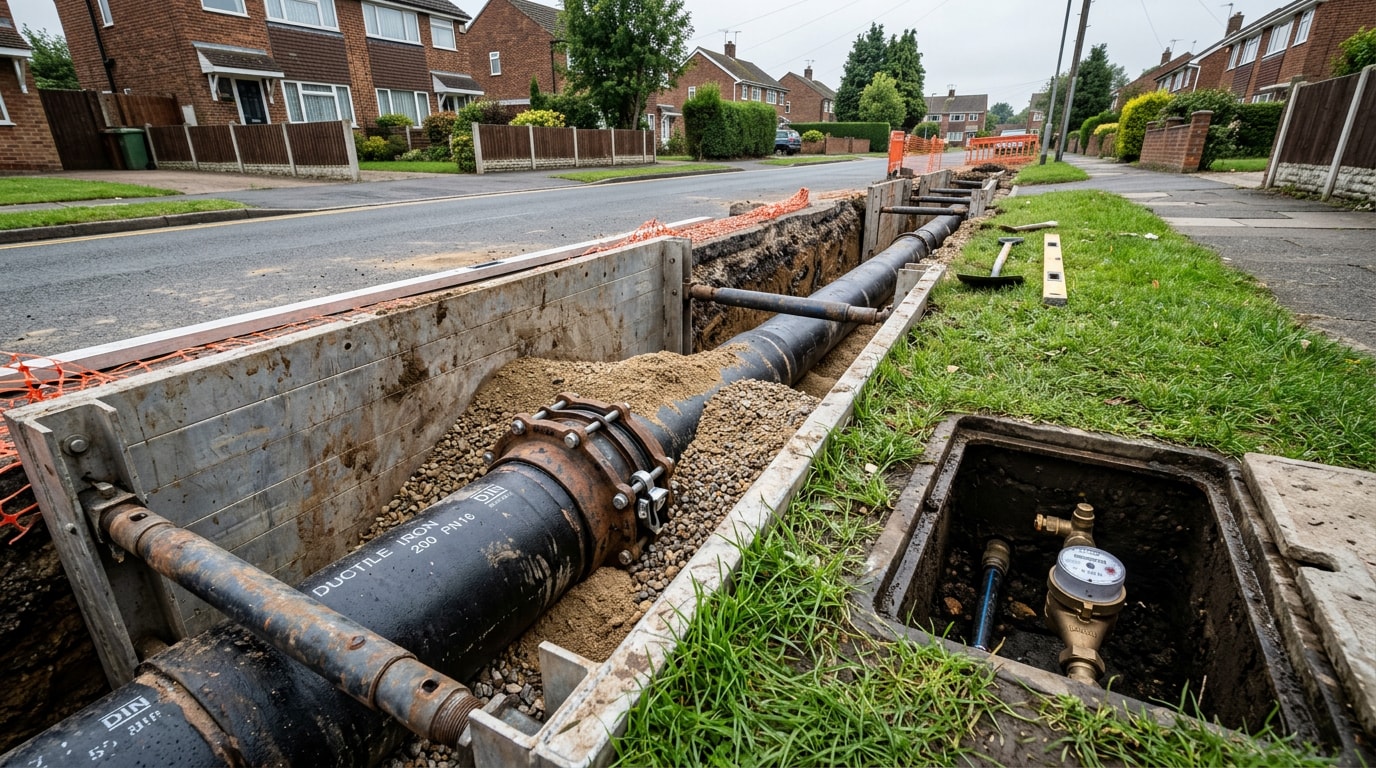
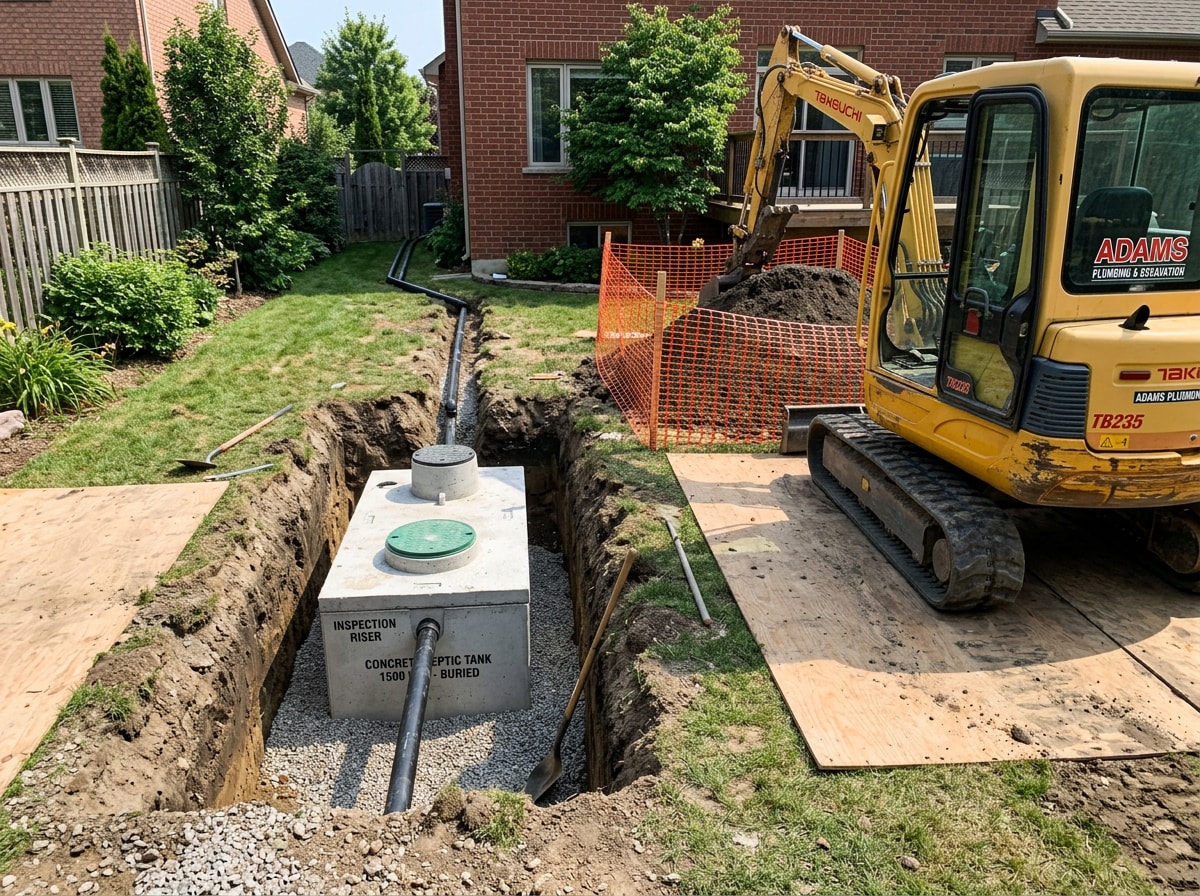
Some problems cannot be solved from the surface. Drain field replacement, failed field lines, a collapsed tank, sewer line replacement, and new tank installation all require digging.
Excavation changes the shape of the project:
- Permits and inspections before work starts
- Equipment access across your property
- Yard restoration afterward
- A timeline measured in days, not hours
That is why these quotes sit an order of magnitude above a routine pump out. Where the failure is in the house-to-tank line rather than the tank itself, trenchless sewer repair can sometimes avoid the open trench entirely.
How to Vet a Septic Company Near You
Run every candidate through this list before you book:
- Confirm the license. Ask for the state license number for septic or onsite work, not just a plumbing license.
- Check the pumper registration. In Santa Clara County, septic tank and chemical toilet pumpers must register their vehicles with the Department of Environmental Health and file monthly pumping and disposal reports, under the county's pumper vehicle permit program. A legitimate truck has a current registration sticker on the windshield. Ask to see it.
- Ask for proof of insurance and bonding. Request the certificate, not a verbal yes.
- Ask whether techs are paid on commission. Non-commissioned technicians have no financial reason to recommend a replacement where a repair would do.
- Ask if they handle plumbing and septic under one roof. That single detail prevents the handoff delay that turns a one-day job into a week.
- Get the quote in writing before any truck starts pumping.
Local experience matters more than most homeowners expect. Crews that know regional soil, water table depth, and the installation vintages common in a given neighborhood diagnose faster, because they have already seen what is buried there.
Our crews run these calls across the hills and unincorporated pockets around San Jose and surrounding areas, where tank access risers are often buried under decades of landscaping and the as-built drawing is the first thing we ask for. You can see examples of completed work on our projects page, or start at the Gomez Sewer and Drain homepage to find your service area.
FAQ
Do Plumbing Companies Handle Septic?
Some do, many do not. The deciding factor is licensing and equipment, not the word "plumbing" painted on the truck. Ask directly: are you licensed for septic work, and do you own a pump truck? A full-service company answers yes to both.
How Often Should My Septic Tank Be Pumped?
Every three to five years is the common guidance, with an inspection every one to three years. Tank size and household size move that number more than anything else. A 1,000 gallon tank serving four people often needs service closer to every two and a half years.
How Much Does Septic Tank Pumping Cost?
Pricing varies widely by region and year, so treat any national average as a rough anchor only. Tank size, gallons removed, digging to reach a buried lid, truck-to-tank distance, and after-hours premiums all move the final number. Get a written quote before the hose comes off the truck.
Who Pumps and Cleans Septic Tanks?
Licensed septic contractors, plumbers who carry septic credentials, and in some rural areas a county utility. Run any company through the vetting checklist above first.
Can a Clogged Main Line Look Like a Septic Problem?
Yes, and this is the most common misdiagnosis. A blocked house-to-tank line produces the same multi-drain backup as a full tank. A camera inspection distinguishes them in minutes and costs far less than a wrong repair.
Is an Emergency Call Worth It at 10 PM?
If sewage is entering the house or surfacing in the yard, yes. Stop using water and call. If drains are simply slow with no backup, book emergency plumbing service for the next business morning and save the after-hours premium.
What Should I Do Before the Technician Arrives?
Stop running water, including dishwashers and laundry. Locate the tank lid or as-built drawing if you have one. Note which fixtures failed first, because the lowest drain in the house usually backs up first and tells the technician where to start.
---
This guide was written and reviewed by the field team at Gomez Sewer and Drain, licensed plumbing and sewer contractors serving San Jose and the surrounding Bay Area. Have a symptom you cannot place? Contact us and we will walk through it with you.